
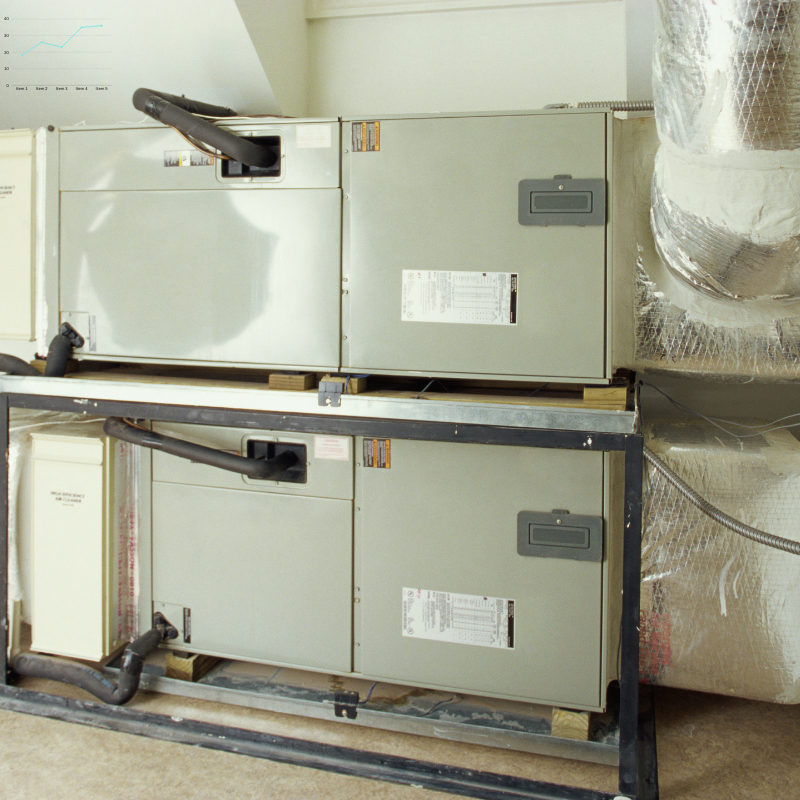
Choosing the right furnace size can feel tricky, especially when you see numbers like 80,000 BTU and 100,000 BTU. Picking the wrong size can make your home too cold or too hot and can send your energy bills up. Knowing a bit about furnace sizing before you buy can save you money and keep your home comfortable all winter long.
The main difference between an 80,000 BTU and a 100,000 BTU furnace is how much heat they can produce. An 80k unit is often perfect for medium-sized homes, while a 100k furnace is better for larger spaces or colder climates. Choosing the right BTU matters because it affects comfort, energy use, and how long your system lasts.
In this blog, you will get to learn about what BTU is and why it matters, and then we will take a close look at the 80,000 BTU furnace and the 100,000 BTU furnace. We will cover the pros and cons of each, compare them side by side in a full BTU furnace comparison, and help you understand the key differences. You will also get tips on choosing the right furnace for your home and avoiding common mistakes people make. By the end, you will know exactly which furnace fits your needs.
What Is BTU, And Why Does It Matter
BTU stands for British Thermal Unit and is a way to measure the amount of heat energy a furnace or air conditioner can produce or remove. In simple terms, it is the energy needed to heat a space. One BTU equals the heat required to raise the temperature of one pound of water by one degree Fahrenheit. For home heating, the BTU rating tells you how much heat your furnace can generate in an hour. Knowing your BTU explained helps you understand your furnace heating capacity and what size unit is right for your home.
BTU matters because it directly affects your comfort and energy bills. A furnace with too low a BTU will struggle to warm your home, leaving rooms cold. A unit with too high a BTU will heat too quickly and turn off too soon, wasting energy and causing uneven temperatures. Matching the BTU to your home size keeps your heating efficient, balanced, and long-lasting while avoiding unnecessary costs.
Understanding The 80,000 BTU Furnace
An 80,000 BTU furnace is perfect for small to medium-sized homes. It consumes 80,000 BTUs of fuel per hour and delivers steady, comfortable heat throughout the house. High-efficiency models can provide most of that energy as usable heat while keeping your energy bills lower. These units are usually easy to install and work well in basements, attics, or crawlspaces thanks to their standard cabinet sizes and flexible configurations.
This type of furnace offers reliable home heating and works efficiently with typical ductwork and airflow systems. It provides enough warmth for most moderate climates while maintaining quiet operation. With simple controls and modern blowers, it keeps your home comfortable without frequent maintenance.
Pros:
Now that you have learned what an 80,000 BTU furnace is, you should also learn about the amazing benefits of using an 80,000 BTU furnace. It is ideal for small to medium homes and can give you steady warmth without wasting energy or money.
- Energy Savings: Using an energy-efficient furnace like this can noticeably lower your monthly energy bills. It heats your home at the right pace without overworking, so it uses less fuel and electricity, keeping costs down while staying warm.
- Steady Comfort: This home heating furnace provides consistent warmth across every room, so you do not get hot spots in some areas or chilly spots in others. It keeps the entire home comfortable even on cold days.
- Easy Installation: The 80,000 BTU furnace is compact and fits easily into most spaces like basements, attics, or crawlspaces. It is also simple to maintain, making it convenient for homeowners who want reliable, low-effort heating.
- Affordable Cost: Compared to larger, higher-capacity furnaces, this unit usually costs less to buy and install. Its efficient operation also keeps your monthly bills reasonable without compromising the comfort or performance of your home.
- Quiet Operation: Because it runs smoothly without frequently turning on and off, this furnace is much quieter than oversized or older models. You get steady heat without loud noises disturbing your daily life or sleep.
Cons:
Even though there are many benefits of an 80,000 BTU furnace, there are some disadvantages as well. By reading below, you will learn about the cons of using an 80,000 BTU unit and when it might not be the best fit for your home.
- Struggles in Large Homes: A small furnace can struggle to heat bigger spaces effectively. Homes with multiple stories or large square footage may not get enough warmth, leading to uneven temperatures and cold spots.
- Cold Climate Limitations: In very cold areas, this unit might not provide enough heat to keep the home comfortable. It may need to run constantly, which can increase energy use and bills.
- Wear and Tear: Constant operation to meet heating demands puts extra stress on the furnace’s internal parts. Over time, this can lead to more frequent repairs and shorten the system’s life.
- Limited Upgrades: Homes that grow in size or need more heating capacity may find the 80,000 BTU unit limiting. Upgrading to a larger furnace often requires ductwork changes and additional costs.
Everything About 100,000 BTU Furnaces
A 100,000 BTU furnace is designed for medium to large homes or houses in colder regions that need more heating power. It delivers high heat output and keeps even poorly insulated homes warm during the coldest months. These units often come with variable-speed or two-stage systems that allow the furnace to run most of the time gently and only use full power when needed, which helps save energy while keeping your home comfortable.
These furnaces require proper airflow and ductwork to handle the increased heat and air volume. They are larger in size and may need adjustments to your gas line or venting. Overall, a 100,000 BTU furnace is reliable for big spaces, cold climates, and homes with higher heat loss, providing steady, consistent warmth throughout the house.
Pros:
After understanding what a 100,000 BTU furnace is, it is helpful to explore the advantages it offers. This furnace works great for bigger homes, performs well in cold weather, and delivers powerful, dependable heating for spaces that smaller units struggle to warm.
- Powerful Heating: A high-output furnace delivers enough heat to warm large homes quickly, even in extremely cold weather. It keeps every room comfortable without constant cycling, which is common in smaller furnaces.
- Cold Climate Ready: This furnace works well in areas with long, harsh winters. It maintains warmth consistently, preventing cold spots and keeping energy use efficient even when outdoor temperatures drop significantly.
- Large Space Coverage: Designed for bigger homes, it heats multiple rooms or floors evenly. You will notice faster temperature recovery after setbacks and a steady flow of warmth throughout the house.
- Reliable for Insulation Issues: Homes with poor insulation, high ceilings, or many windows still stay warm because this furnace has the capacity to overcome heat loss and maintain comfort.
- Flexible Operation: Many models offer multi-stage or modulating operation, meaning they run at lower power most of the time and only use full output when needed, saving energy while keeping comfort consistent.
Cons:
Although a 100,000 BTU furnace offers plenty of advantages, it also comes with some drawbacks. Below, you will discover the main downsides of using a high-energy furnace and important things to keep in mind.
- Higher Energy Bills: If the furnace is too large for your home, it can short-cycle and run inefficiently. This wastes fuel, causing your monthly heating costs to be higher than necessary.
- More Expensive Upfront: A 100,000 BTU unit generally costs more to buy and install compared to smaller furnaces. You also may need to upgrade ductwork or gas lines, adding extra expenses.
- Too Powerful for Small Homes: Installing this furnace in a smaller home can lead to uneven heating and temperature swings. The system may turn on and off frequently, reducing comfort and efficiency.
- Needs Proper BTU Matching: To avoid oversized furnace issues, a professional heat load calculation is necessary. Without it, the furnace may not run efficiently and could wear out faster than expected.
80,000 BTU Vs 100,000 BTU Furnace: Key Differences
If you are still unsure which furnace to pick after learning about 80,000 BTU and 100,000 BTU units, keep reading. Below is a detailed table that shows the main differences and helps you understand the BTU furnace comparison clearly.
The main furnace difference is not about which unit is “better,” but which matches your home’s heating needs. A professional load calculation is the best way to choose the right size and avoid wasted energy.
Choosing The Right Furnace For Your Home
Till now, you have learned about the details of both 80,000 BTU and 100,000 BTU furnaces, their pros and cons, and the key furnace difference. If you are still unsure which one fits your home best, do not worry. Below are some practical points and furnace selection tips that will help you pick the right furnace size for your needs.
- Match BTU: Choose a furnace with a BTU output that fits your home’s square footage and heat loss. Too small leaves your home cold, too large wastes energy and money.
- Consider Climate: Think about your local winters and insulation quality. Colder climates or poorly insulated homes may need higher BTU units, while milder areas can use smaller, more efficient furnaces.
- Don’t Oversize: Avoid buying a furnace that is too powerful. Oversized units short-cycle, run unevenly, and increase wear and energy bills over time.
- Check Efficiency: Look at AFUE ratings. Higher efficiency units cost more upfront but save money in the long run by using fuel more effectively and keeping your home comfortable.
- Plan for Features: Two-stage or variable-capacity furnaces provide steady warmth, quieter operation, and energy savings. Make sure your ductwork, gas line, and electrical system support your chosen model.
Mistakes People Make With Furnaces
There are some common mistakes that many people make with their furnaces. Knowing about these errors will help you avoid wasting money, reduce energy bills, and keep your home comfortable. Keep reading to learn about the most frequent furnace sizing mistakes and heating system errors.
- Wrong BTU Choice: Picking a furnace that is too big or too small for your home leads to short cycling, uneven heating, and higher energy bills. Always match the BTU to your space and insulation levels.
- Skipping Load Calculations: Relying on rules of thumb instead of a professional Manual J load calculation can result in an inefficient system. Homes with added insulation, windows, or expansions may need a different size than the old furnace.
- Ignoring Energy Efficiency: Choosing the cheapest model without checking AFUE ratings may save money upfront, but increases fuel costs long term. A more efficient furnace can lower your bills and provide consistent comfort.
- Overlooking Ductwork Needs: Installing a higher-BTU furnace in undersized or leaky ducts reduces airflow, causes uneven heating, and forces the system to work harder. Proper duct sizing is essential for smooth operation.
- Neglecting Maintenance: Failing to replace furnace filters, schedule yearly tune-ups, or keep vents clear can lead to overheating, poor performance, and costly repairs. Regular maintenance keeps the furnace running safely and efficiently.
Final Thoughts
Understanding BTU and how it affects your home heating is key to choosing the right furnace. You have learned about the 80,000 BTU and 100,000 BTU furnaces, their pros and cons, and the main furnace difference. You also explored how to pick the right furnace size for your home and common furnace sizing mistakes to avoid. Considering home size, climate, and energy use will help you stay comfortable, save on bills, and make sure your heating system works efficiently for years.
We at Custom Filters Direct are proud to help Americans breathe cleaner, healthier air with high‑quality air filters made right here in the USA. For over 20 years, we have offered a wide range of standard and custom‑sized filters that trap dust, pollen, pet dander, and smoke for homes, offices, hospitals, and more. We make finding the right filter easy and affordable with fast delivery and helpful support from our team. If you have questions or need help choosing the perfect solution, email us at [email protected] or call 877‑958‑5612. Come see how simple it is to keep your air fresh and your HVAC system running well.
Frequently Asked Questions (FAQs)
Q1. How Long Does An 80,000 BTU Furnace Typically Last?
A. An 80,000 BTU furnace usually lasts about 15 to 20 years and sometimes even longer if you take good care of it. How often you run it, the weather where you live, and how well it was installed all matter. Changing the air filter regularly and fixing small problems early can help it last longer. Higher-efficiency models may need a little more attention, but can still be very reliable. With simple care, you are likely to get many years of warm and comfortable heating from your furnace.
Q2. Is A 100,000 BTU Furnace More Expensive To Maintain?
A. A 100,000 BTU furnace is not automatically more expensive to maintain than an 80,000 BTU furnace. Both need the same regular service, like filter changes, cleaning, and yearly check-ups. What really affects costs is how well the furnace fits your home and the type of fuel it uses. If a furnace is too big, it can turn on and off too often, which may cause parts to wear out faster. With proper care and the right size, both furnaces are easy and affordable to maintain.
Q3. Can A 100,000 BTU Furnace Work Efficiently In A Small Home?
A. Using a 100,000 BTU furnace in a small home is not a good idea. The unit is too powerful and will keep turning on and off, which wastes energy and can leave some rooms hot and others cold. This constant cycling also wears out parts faster and may lead to repairs sooner. A smaller furnace, like an 80,000 BTU model, usually works much better. Getting a professional to check your home’s heating needs will help the furnace run smoothly and last longer.
Q4. Are There Rebates Or Tax Incentives For High-BTU Furnaces?
A. Federal tax credits for high-efficiency furnaces have ended for systems installed after 2025. However, you can still get savings from state programs and utility rebates. Some states offer up to several thousand dollars for upgrades that lower energy use, and many local gas and electric companies give smaller rebates when you buy an efficient furnace. To qualify, the furnace usually needs to be ENERGY STAR certified and installed in your main home. Checking with your state or local utility will show you the best options for savings.
Q5. Can I Upgrade An 80,000 BTU Furnace To A 100,000 BTU Furnace Later?
A. Upgrading from an 80,000 BTU furnace to a 100,000 BTU furnace later is not a simple swap. You need a professional to check your home and ductwork first. A bigger furnace pushes more air, and your current ducts might be too small, which can make it noisy, waste energy, and wear out parts faster. You may also need a gas line upgrade. A certified technician can calculate your heating needs and make sure the larger furnace will work efficiently and safely in your home.
Q6. What Fuel Types Are Available For 80k And 100k BTU Furnaces?
A. Both 80,000 BTU and 100,000 BTU furnaces can use several common fuel types. Most homes use natural gas because it is easy to get and heats efficiently. Propane is another option for homes without gas lines, and some furnaces can be converted from gas to propane by a professional. Oil furnaces are less common today, but still work well in many areas. You can also find electric-only furnaces that use electricity instead of fuel. Choosing the right fuel depends on what is available and convenient for your home.
Q7. Are 80k Or 100k BTU Furnaces Better For Multi-Story Homes?
A. Neither an 80,000 BTU nor a 100,000 BTU furnace is automatically better for a multi-story home. The best choice depends on your home’s size, insulation, and total heating needs. Warm air rises, so upper floors can get hotter while lower floors stay cooler. Using zones with separate thermostats helps balance the temperature on each floor. A professional can calculate the exact BTU your home needs. The right furnace will match that calculation and work efficiently, whether it is 80,000 or 100,000 BTU.