
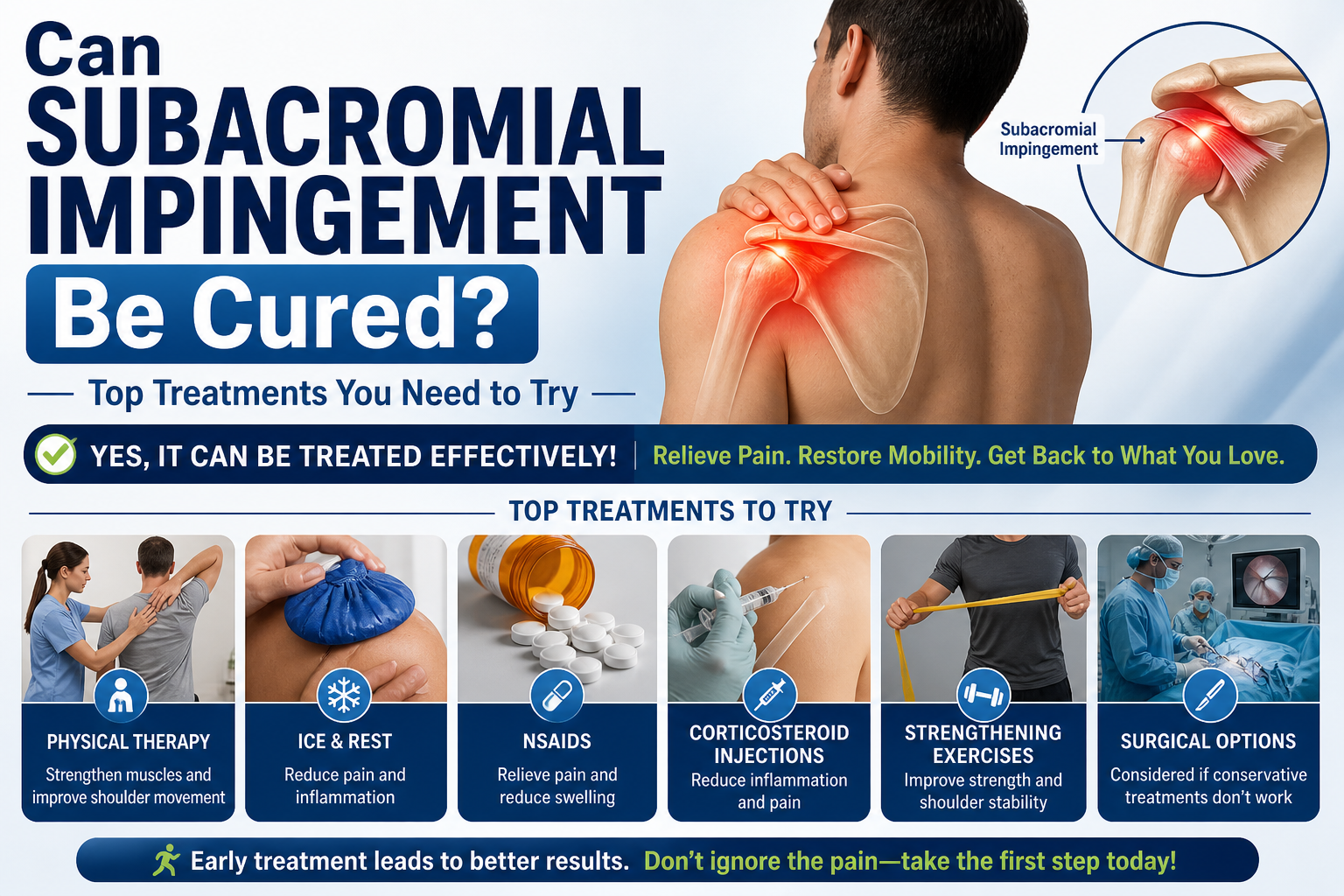
Subacromial impingement syndrome (SIS), also known as Subakromiales Impingement Behandlung in German, is a common shoulder condition that causes pain, inflammation, and difficulty moving the shoulder. It happens when the tendons of the rotator cuff are compressed as they pass through the subacromial space, a small gap under a bony part of the shoulder blade called the acromion. If you're struggling with subacromial impingement, you might be wondering if it can be cured. The good news is that many treatments can help relieve the pain and restore movement, and in most cases, it can be fully treated.
In this blog, we will discuss the causes of subacromial impingement, its symptoms, and the most effective treatments that can help you recover. Whether your symptoms are mild or severe, this guide will give you the knowledge you need to get back to your normal activities.
What is Subacromial Impingement?
Subacromial impingement occurs when the tendons of the rotator cuff become pinched or compressed in the subacromial space, which is the area beneath the acromion. This can lead to irritation, inflammation, and pain. The rotator cuff is a group of muscles and tendons that stabilize the shoulder and allow it to move smoothly. When these tendons are compressed, it can cause significant discomfort and affect shoulder mobility.
Types of Subacromial Impingement
- Primary Impingement: Caused by anatomical changes, such as a hooked acromion, or narrowing of the subacromial space.
- Secondary Impingement: Due to muscle imbalances or instability in the shoulder joint, often from poor posture or repeated overhead movements.
Symptoms of Subacromial Impingement
Subacromial impingement often develops gradually, and its symptoms can range from mild to severe. Common symptoms include:
- Pain: This is usually felt at the front or outer side of the shoulder and may get worse when reaching overhead or lifting objects.
- Reduced Range of Motion: It may become difficult to raise your arm above your head or reach behind your back.
- Weakness: The pain and limited movement can lead to weakness in the shoulder.
- Night Pain: Shoulder pain may worsen at night, especially when lying on the affected side, making it difficult to sleep.
If not treated, subacromial impingement can lead to more serious issues, such as rotator cuff tears or long-term inflammation.
Causes and Risk Factors
Several factors can lead to subacromial impingement. These can be anatomical, mechanical, or related to lifestyle and activity patterns.
Anatomical Causes
- Bony Abnormalities: A hooked or curved acromion can narrow the subacromial space, increasing the likelihood of tendon compression.
- Rotator Cuff Wear and Tear: Over time, the tendons of the rotator cuff can degenerate, making them more prone to irritation.
Mechanical Causes
- Poor Posture: Slouching or rounded shoulders can affect the alignment of the shoulder joint, leading to impingement.
- Repetitive Overhead Movements: Jobs or sports that involve overhead actions—such as swimming, lifting, or throwing—can stress the shoulder and lead to impingement.
Activity-Related Risk Factors
- Age: Older individuals are more likely to experience subacromial impingement due to natural wear and tear on the tendons.
- Sports and Occupation: Jobs or sports that require frequent overhead movements increase the risk of developing this condition.
- Weak Shoulder Muscles: If the rotator cuff muscles are weak or imbalanced, they cannot properly stabilize the shoulder, putting additional stress on the tendons.
Can Subacromial Impingement Be Cured?
Yes, in many cases, subacromial impingement can be treated successfully. Early intervention with conservative treatments often helps alleviate symptoms and restore function. In more severe cases, surgery may be necessary, but most individuals recover with non-invasive methods.
Top Treatments for Subacromial Impingement
1. Physical Therapy
Physical therapy is one of the most effective treatments for subacromial impingement. A physical therapist will design a program of exercises to help reduce pain, increase flexibility, and strengthen the muscles around the shoulder. These exercises help restore proper function and prevent further injury.
- Strengthening Exercises: Focus on strengthening the rotator cuff and shoulder stabilizers.
- Stretching: Gentle stretching helps increase range of motion.
- Posture Correction: Proper posture can relieve pressure on the shoulder joint.
2. Medications
Over-the-counter anti-inflammatory medications, such as ibuprofen or naproxen, can help reduce inflammation and provide pain relief. For more severe pain, a doctor might prescribe stronger medications or even corticosteroid injections directly into the shoulder joint.
3. Corticosteroid Injections
If oral medications aren't effective, corticosteroid injections may be used to reduce pain and inflammation in the subacromial space. These injections can provide short-term relief, allowing you to participate in physical therapy more effectively.
4. Surgery
If conservative treatments don’t relieve the symptoms, surgery may be necessary. The type of surgery depends on the severity of the impingement. Common surgical procedures include:
- Arthroscopic Subacromial Decompression: A minimally invasive procedure where the surgeon removes bone spurs or other tissues that are compressing the tendons.
- Rotator Cuff Repair: If the tendons are torn, a repair may be required to restore full function.
5. Activity Modification
It’s important to avoid activities that exacerbate shoulder pain. Modifying your movements, such as avoiding overhead lifting or using a different technique for certain tasks, can help prevent further damage. Rest is also essential to allow the tendons to heal.
6. Alternative Therapies
Some people find relief from subacromial impingement symptoms through alternative treatments, which can be used alongside traditional therapies:
- Acupuncture: Helps reduce pain and inflammation by targeting specific pressure points.
- Massage Therapy: Can relax tight muscles and improve circulation in the affected area.
- Chiropractic Care: A chiropractor may use spinal and shoulder adjustments to restore joint alignment and relieve pressure on the tendons.
7. Ergonomic Adjustments
If your job or daily activities involve repetitive shoulder movements, making ergonomic adjustments to your workspace or changing your technique can reduce strain on your shoulder. This may involve adjusting the height of your desk, tools, or work surface to avoid overhead reaching.
Preventing Subacromial Impingement
While not all cases can be prevented, you can reduce the risk of developing subacromial impingement by following these steps:
- Exercise Regularly: Strengthen the muscles around your shoulder, especially the rotator cuff.
- Maintain Good Posture: Keep your shoulders back and avoid slouching to ensure proper shoulder alignment.
- Avoid Overhead Strain: Limit repetitive overhead movements, especially if you work or play sports that involve lifting or throwing.
- Stretch Frequently: Stretching helps improve shoulder flexibility and reduces tension in the muscles.
When to Seek Help
If you're experiencing persistent shoulder pain or difficulty moving your arm, it’s important to seek medical advice. Early diagnosis and treatment can prevent the condition from worsening and help you avoid long-term damage to the shoulder.
Treatment Comparison Table
Conclusion
Subacromial impingement, or Subakromiales Impingement Behandlung, can be a painful and frustrating condition, but it is treatable. With early diagnosis and the right treatment, including physical therapy, medications, and in some cases, surgery, you can recover and regain full shoulder function. If you’re experiencing shoulder pain, don’t wait—consult with a healthcare professional to find the treatment that works best for you and start your path to recovery today
Frequently Asked Questions (FAQs)
1. How long does it take to recover from subacromial impingement?
Recovery time varies depending on the severity of the impingement. With physical therapy and rest, most people see improvement within a few weeks to a few months. Severe cases may require longer recovery or surgery.
2. Can physical therapy cure subacromial impingement?
Yes, physical therapy is one of the most effective treatments. It helps strengthen the shoulder muscles, improve range of motion, and reduce pain. In many cases, physical therapy can fully resolve the issue.
3. Is surgery necessary for subacromial impingement?
Surgery is typically only needed if conservative treatments, such as physical therapy and injections, do not provide relief. Most cases can be managed without surgery, especially with early intervention.
4. Can subacromial impingement be prevented?
While not all cases can be prevented, maintaining good posture, avoiding repetitive overhead movements, and strengthening the shoulder muscles can significantly reduce the risk of developing impingement.
5. How do I know if I need surgery for subacromial imping
ement?
If your pain is persistent and does not improve with physical therapy or injections, surgery may be recommended. A healthcare provider will evaluate your condition and determine if surgical intervention is necessary.