
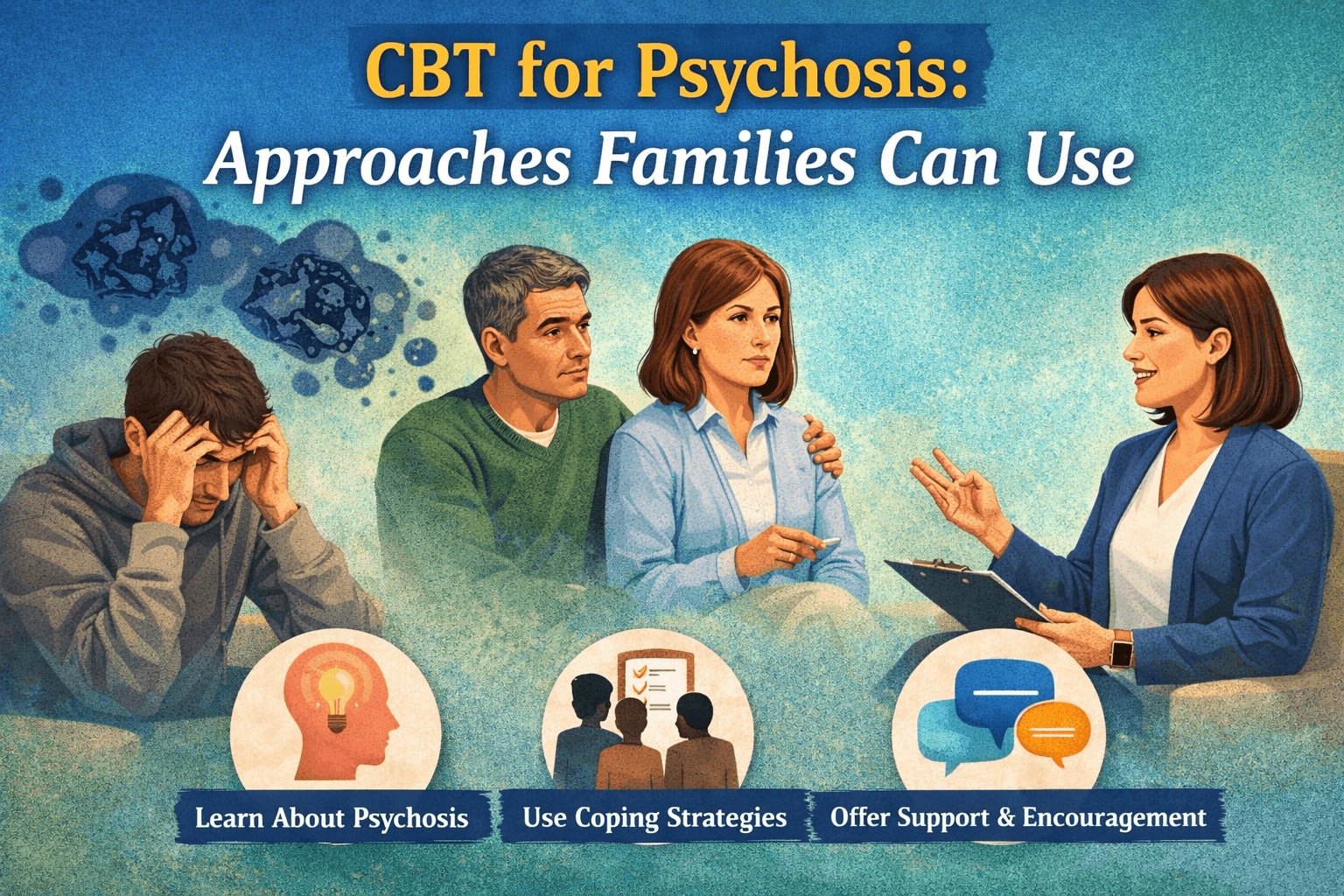
Psychosis can be difficult for both the person experiencing it and their family. It may include hearing voices, having strong beliefs that others don’t share, or feeling confused about what is real. These experiences can affect daily life, relationships, and emotional well-being.
One helpful method used in treatment is CBT therapy for Psychosis, which focuses on understanding thoughts and managing reactions. Families can learn and use some of these simple ideas at home to provide better support and create a calm, caring environment.
Understanding Psychosis in Simple Terms
Psychosis is a condition where a person may lose touch with reality for some time. They might see or hear things others don’t, or strongly believe something that may not be true. For them, these experiences feel completely real.
Families may feel unsure about how to react. It’s important to remember that the person is not “making it up.” They are going through something very real to them, and they need support, not judgment.
What Is CBT Therapy for Psychosis?
CBT therapy for Psychosis is a structured approach that helps people understand how their thoughts affect their feelings and actions. Instead of arguing about what is real, it focuses on reducing distress and improving coping skills.
For example, if someone hears a voice, CBT does not simply try to remove it. Instead, it helps the person change how they respond to it, so it becomes less upsetting.
Families can use similar ideas by listening, asking gentle questions, and avoiding arguments.
Why Family Support Matters
Family support plays a big role in recovery. A peaceful and understanding home can reduce stress, which helps control symptoms.
When families learn basic CBT ideas, they can support their loved one in a practical way. This does not replace professional care, but it strengthens it.
Creating a Calm and Safe Environment
A stable home environment helps a person feel secure. Sudden changes, loud arguments, or too much pressure can make symptoms worse.
Simple routines like regular meals, sleep times, and daily activities can make life feel more predictable. This helps reduce anxiety and confusion.
Patience is very important. Recovery takes time, and progress may be slow.
Improving Communication with Simple CBT Ideas
Good communication builds trust. Instead of correcting or arguing, try to understand what the person is feeling.
Here are some helpful ways families can communicate:
- Listen without interrupting or judging
- Acknowledge their feelings even if you don’t agree
- Use calm and simple language
- Ask gentle questions instead of challenging beliefs
- Avoid raising your voice or showing frustration
This approach makes the person feel heard and respected.
Recognizing Triggers and Patterns
Symptoms of psychosis often get worse during stress, poor sleep, or emotional pressure. Families can help by noticing patterns.
Common triggers may include:
- Lack of sleep
- High stress or conflict
- Social isolation
- Major life changes
- Substance use
By understanding these triggers, families can take steps to reduce them and prevent worsening symptoms.
CBT-Based Family Support Strategies
Encouraging Healthier Thinking
CBT therapy for Psychosis helps people look at their thoughts in a balanced way. Families can support this gently.
Instead of saying “That’s not true,” try asking, “Is there another way to look at this?” This opens the door for discussion without creating conflict.
Over time, this helps the person think more clearly and feel less distressed.
Supporting Daily Coping Skills
Coping strategies help manage difficult moments. Families can encourage simple activities that reduce stress and improve mood.
Relaxation, light exercise, hobbies, and social interaction can all help. Even small activities like a short walk or listening to music can make a difference.
Consistency matters more than intensity. Regular small efforts bring better results over time.
Helping Build Confidence and Independence
Recovery is not just about reducing symptoms. It’s also about helping the person regain confidence and independence.
Encourage small goals such as completing daily tasks or spending time with others. Celebrate progress, even if it seems small.
Avoid doing everything for them. Support them, but also give space to grow
Managing Family Stress
Supporting someone with psychosis can be challenging. Families also need to take care of their own mental health.
Taking breaks, sharing responsibilities, and talking about feelings can reduce stress. A calm and balanced family environment benefits everyone.
Handling Difficult Situations
There may be times when symptoms become intense. In such moments, staying calm is the most important thing.
Avoid arguing or forcing the person to change their beliefs. Focus on safety and reassurance. Use simple words and give them time to respond.
If needed, professional help should be sought without delay.
Encouraging Ongoing Treatment
CBT therapy for Psychosis is most effective when guided by trained professionals. Families should encourage regular therapy sessions and support treatment plans.
Showing interest and being positive about treatment can motivate the person to stay engaged.
Reducing Stigma and Building Understanding
Many people feel ashamed or isolated because of psychosis. Families can help by being open and supportive.
Avoid negative labels. Focus on strengths and progress. The more understanding there is at home, the easier recovery becomes.
Conclusion
Psychosis can be challenging, but with the right support, recovery is possible. Families play an important role in this journey. By using simple ideas from CBT therapy for Psychosis, they can improve communication, reduce stress, and help their loved one feel understood.
Small steps, patience, and consistent support can lead to meaningful progress over time.
FAQs
1. What is CBT therapy for Psychosis in simple words?
CBT therapy for Psychosis helps people understand their thoughts and how they affect feelings and actions. It focuses on reducing distress rather than removing symptoms completely, making it easier to manage daily life and emotions.
2. Can families really help someone with psychosis?
Yes, families can make a big difference. A calm, supportive, and understanding environment helps reduce stress and improves recovery. Simple communication changes and emotional support can positively impact the person’s mental health over time.
3. Should I correct my loved one’s false beliefs?
Directly correcting or arguing can lead to conflict. It is better to listen calmly and ask gentle questions. This approach helps the person feel respected and may slowly encourage more balanced thinking without pressure or tension.
4. What are early signs that symptoms are getting worse?
Warning signs may include poor sleep, increased stress, social withdrawal, or stronger unusual beliefs. Recognizing these early signs allows families to act quickly, reduce triggers, and seek help if needed before the situation worsens.
5. Is full recovery from psychosis possible?
Many people recover and live meaningful lives with proper support and treatment. Progress may take time, but with patience, therapy, and family support, individuals can manage symptoms and regain confidence and independence.