
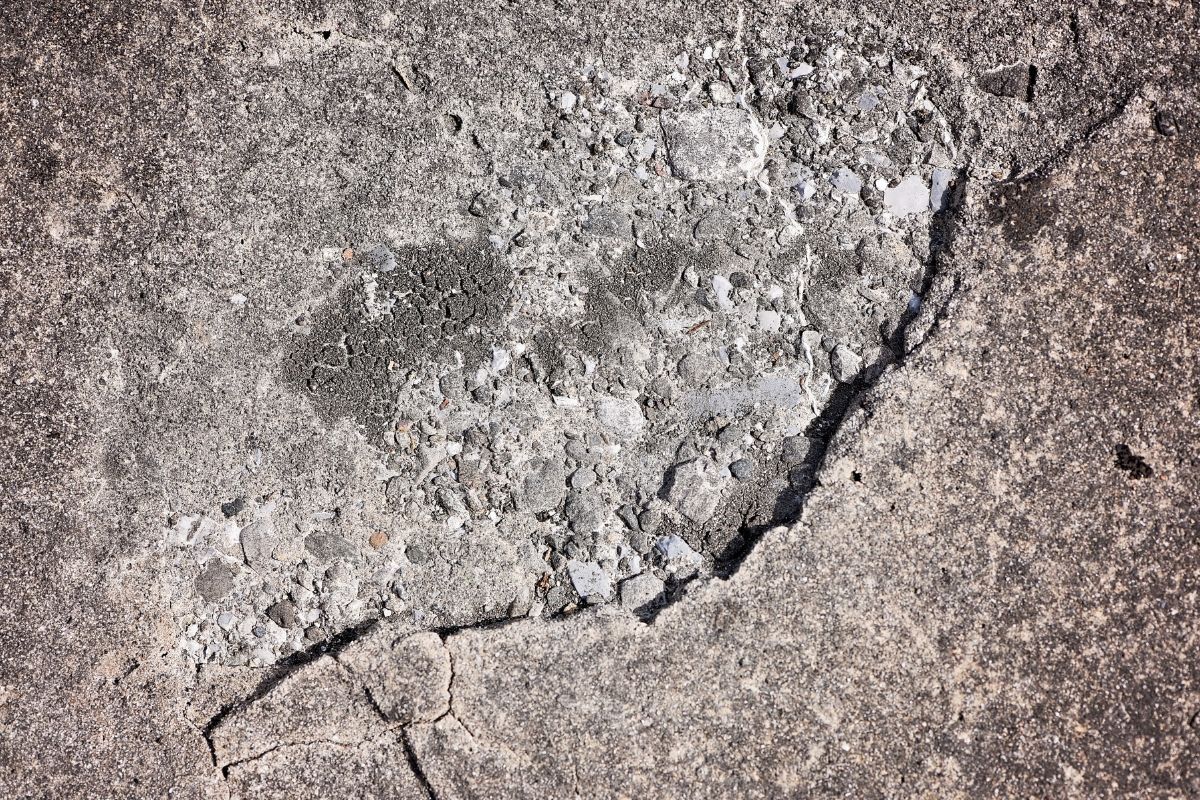
Concrete is one of the most durable and widely used construction materials across Sydney, forming the foundation of residential, commercial, and industrial properties alike. From driveways and footpaths to warehouse floors and structural slabs, concrete provides long-lasting performance when installed and maintained correctly. However, even the strongest concrete is not immune to wear, environmental conditions, and natural movement over time. Cracks can develop for many different reasons, and while some are purely cosmetic, others may indicate more significant structural concerns that should not be ignored.
Understanding why concrete cracks occur and knowing the most effective repair solutions can help property owners protect their investment, improve safety, and avoid more costly repairs in the future. Whether dealing with a small surface crack or more extensive damage, choosing the right repair method is essential for restoring both appearance and structural integrity. This guide explores the most common types of concrete cracks, their causes, and the best repair approaches while explaining why professional expertise continues to be valuable for Sydney property owners in 2026.
Understanding Why Concrete Cracks
Concrete is incredibly strong under compression, but it naturally experiences movement throughout its lifespan. Temperature fluctuations, moisture changes, ground movement, heavy traffic, and normal ageing all place stress on concrete surfaces. When this stress exceeds the material's ability to accommodate movement, cracks begin to appear.
Not every crack indicates structural failure. Hairline cracks are often a normal part of the curing process, while wider or expanding cracks may signal more serious issues requiring immediate attention. Understanding the underlying cause is far more important than simply filling visible damage, as effective repairs address both the crack itself and the reason it developed.
Professional assessment ensures the appropriate repair method is selected rather than applying temporary fixes that fail over time.
The Most Common Types of Concrete Cracks
Shrinkage Cracks
Shrinkage cracks are among the most common forms of concrete cracking. They develop as excess moisture evaporates during the curing process, causing the concrete to contract slightly. These cracks usually appear within the first few weeks after installation and are generally narrow and shallow.
Although shrinkage cracks often do not compromise structural performance, they can allow moisture penetration if left untreated. Repairing them early helps maintain durability and prevents gradual deterioration caused by water infiltration.
Settlement Cracks
Settlement cracks occur when the ground beneath the concrete shifts or compacts unevenly. Poor soil preparation, erosion, or unstable foundations can all contribute to settlement.
These cracks are typically wider than shrinkage cracks and may continue growing if the underlying movement remains unresolved. Professional assessment is essential to determine whether foundation stabilisation is required before repairs begin.
Structural Cracks
Structural cracks usually result from excessive loading, design deficiencies, foundation movement, or significant stress within the concrete itself. These cracks are often wider and deeper and may appear alongside uneven surfaces or noticeable displacement.
Because structural damage can affect the integrity of the entire structure, repairs should never be delayed. Early intervention can prevent further deterioration while restoring safety and performance.
Thermal Expansion and Contraction Cracks
Sydney experiences seasonal temperature changes that cause concrete to expand during warmer periods and contract when temperatures fall. Over time, repeated expansion and contraction place stress on the concrete surface.
If expansion joints are inadequate or absent, cracks may develop as the concrete attempts to relieve internal pressure. Proper joint design and timely repairs help minimise future movement-related damage.
Overload Cracks
Concrete surfaces designed for light vehicle traffic can become damaged when subjected to heavier loads than originally intended. Commercial properties, warehouses, loading zones, and industrial facilities are particularly susceptible to overload cracking.
Repeated heavy traffic gradually weakens the concrete until visible cracking appears. Repair solutions often involve strengthening affected areas while ensuring future loading remains within design limits.
What Causes Concrete Cracks in Sydney?
Several local factors contribute to concrete deterioration throughout Sydney. Changing weather patterns expose concrete to cycles of heat, rainfall, and drying conditions, all of which influence expansion, contraction, and moisture movement.
Poor drainage is another significant contributor. Water accumulating beneath slabs can soften supporting soil, leading to settlement and uneven movement. Tree roots may also exert pressure beneath driveways and pathways, lifting concrete and creating visible cracks.
Construction quality also plays a major role. Incorrect concrete mixes, insufficient reinforcement, inadequate curing, or poorly compacted foundations increase the likelihood of cracking over time. Even high-quality installations require ongoing maintenance to remain in excellent condition for decades.
Understanding these contributing factors allows repair professionals to recommend solutions that extend well beyond cosmetic improvements.
Why Prompt Repairs Matter
Many property owners delay repairs because small cracks appear harmless. Unfortunately, even minor damage can gradually worsen as moisture penetrates the concrete.
Water entering cracks may weaken reinforcement, accelerate corrosion, promote surface deterioration, and contribute to further cracking during temperature fluctuations. Small defects often become larger structural issues when left untreated.
Prompt repairs help preserve structural integrity, reduce long-term maintenance costs, improve appearance, and minimise safety risks. Repairing damage early is generally far more economical than replacing entire concrete sections after extensive deterioration has occurred.
The Best Concrete Repair Solutions
Crack Injection
Epoxy and polyurethane injection systems are widely used for repairing narrow and structural cracks. These specialised materials penetrate deep into the damaged area, bonding the concrete and restoring strength.
Epoxy is commonly selected where structural restoration is required, while polyurethane is often preferred where moisture sealing and flexibility are important.
Surface Sealing
Fine hairline cracks can often be repaired using specialised sealants that prevent water penetration while improving the appearance of the surface.
Although sealing does not address significant structural movement, it provides valuable protection against moisture-related deterioration when applied appropriately.
Concrete Resurfacing
Where cracking is widespread but structural integrity remains intact, resurfacing offers an effective solution. A new surface layer restores the appearance of aged concrete while covering minor imperfections.
Resurfacing is particularly suitable for driveways, patios, pathways, and commercial outdoor areas where aesthetics are important alongside durability.
Concrete Stitching
Concrete stitching involves installing reinforcing bars across larger cracks to stabilise movement and restore structural continuity.
This technique is commonly used where long cracks require additional reinforcement without complete slab replacement.
Partial Concrete Replacement
When damage is too severe for conventional repairs, replacing only the affected section may be the most practical solution.
Targeted replacement allows damaged concrete to be removed while preserving surrounding areas that remain structurally sound, reducing disruption and unnecessary costs.
How Professionals Determine the Right Repair Method
Every crack tells a story, and effective repairs begin with understanding that story. Professionals assess crack width, depth, location, movement patterns, surrounding conditions, drainage, loading, and foundation stability before recommending a repair strategy.
Rather than simply filling visible damage, experienced contractors investigate the underlying cause to ensure repairs remain effective for many years.
This thorough approach is one of the reasons many property owners seek experienced providers offering concrete repair Sydney services instead of relying on temporary patching methods that may fail prematurely.
Why Professional Concrete Repairs Still Matter for Businesses in 2026
As businesses continue investing in property maintenance and customer experience throughout 2026, well-maintained concrete remains an important part of presenting safe, professional premises.
Cracked pathways, damaged warehouse floors, uneven loading areas, and deteriorating entrances create unnecessary safety hazards while affecting the overall appearance of commercial properties. Regular inspection and timely repairs help businesses reduce liability risks, maintain operational efficiency, and protect valuable infrastructure.
Modern repair technologies also allow many repairs to be completed with minimal disruption to daily operations, making proactive maintenance more practical than ever before.
Commercial property owners increasingly recognise that preventative maintenance supports long-term asset management, reducing the likelihood of major structural repairs later.
The Advantages of Working with Professional Repair Specialists
Choosing experienced professionals offers significant benefits beyond simply repairing visible cracks.
Professional assessment ensures the underlying cause of damage is accurately identified before repairs begin. This greatly improves the long-term performance of the repair while reducing the likelihood of recurring issues.
Experienced repair specialists also understand the behaviour of different concrete structures, allowing them to select appropriate repair materials for each specific situation.
Working with qualified concrete repair specialists, Sydney professionals provide confidence that repairs meet industry standards, improve structural performance, and deliver lasting results.
Another important advantage is access to specialised equipment and repair systems that are not typically available through general maintenance services. These advanced techniques often produce stronger, longer-lasting repairs while minimising disruption to surrounding areas.
Qualities of a Trustworthy Concrete Repair Agency
Selecting the right repair provider plays an important role in achieving reliable results. While experience is valuable, several additional qualities should also be considered.
A trustworthy agency takes the time to thoroughly inspect the damage before recommending repairs. Rather than offering identical solutions for every project, they explain the cause of cracking, discuss available repair options, and provide realistic expectations regarding outcomes.
Clear communication is equally important. Reliable professionals provide detailed information about repair methods, expected timeframes, and ongoing maintenance recommendations without using confusing technical language.
Quality workmanship, attention to detail, transparent pricing, and a genuine commitment to long-term solutions are all strong indicators of a reputable repair service.
Ongoing support following project completion also demonstrates confidence in the quality of the work performed.
Warning Signs You Should Never Ignore
Concrete damage often develops gradually, making early detection especially important. Property owners should regularly inspect concrete surfaces for signs that repairs may be necessary.
Some of the most common warning signs include:
- Cracks that continue widening over time.
- Uneven or sunken concrete surfaces.
- Water pooling near cracked areas.
- Rust stains indicating reinforcement corrosion.
- Spalling, flaking, or crumbling concrete.
- Doors or gates becoming difficult to open due to slab movement.
Any combination of these issues warrants professional inspection. Addressing problems early often prevents significantly more expensive repairs in the future.
Preventing Future Concrete Damage
Although some movement is unavoidable, several practical measures can help extend the lifespan of concrete surfaces.
Proper drainage remains one of the most effective forms of prevention. Ensuring water flows away from slabs reduces soil movement and minimises moisture-related deterioration.
Regular cleaning also prevents debris accumulation that can trap moisture against the concrete surface. Periodic sealing provides additional protection against water penetration, staining, and environmental exposure.
Heavy vehicles should only use surfaces designed to support their weight, while expanding tree roots should be monitored before they begin affecting nearby concrete.
Routine inspections allow small defects to be identified before they become major structural concerns.
Conclusion
Concrete cracks are a common issue across residential, commercial, and industrial properties, but they should never be dismissed without understanding their cause. From shrinkage and settlement to structural movement and heavy loading, each type of crack requires an appropriate repair strategy that addresses both the visible damage and the underlying problem. Early intervention not only restores appearance but also protects structural integrity, improves safety, and reduces long-term maintenance costs. Working with experienced professionals, recognising warning signs early, and implementing preventative maintenance all contribute to longer-lasting concrete performance. Whether you require routine maintenance or more specialised concrete crack repair Sydney services, investing in quality repairs today helps preserve the value and durability of your property for years to come.
For readers looking better to understand concrete maintenance and long-term protection of their property, additional information and practical resources can be found at the Australian Caulking Company. Exploring reliable guidance before undertaking repair work can help property owners make informed decisions and choose solutions that deliver lasting results.