
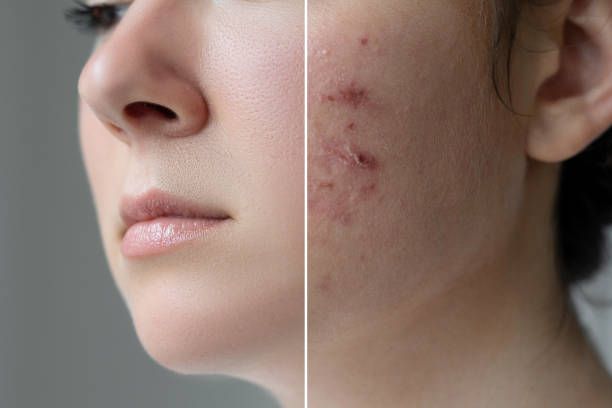
Acne is a common yet complex skin condition that affects people of all ages, often leading to frustration and a lack of confidence. While various treatments are available, three of the most widely used and effective ingredients for managing acne are benzoyl peroxide, salicylic acid, and retinoids. Each of these ingredients works in a different way, and understanding how they function and when to use them can be the key to managing and preventing breakouts effectively.
In this blog, we will explore how each of these powerful ingredients works for acne, how to incorporate them into your skincare routine, and when to use each of them for optimal results. We’ll also discuss how personalized skincare treatments in the UK can complement these ingredients to address your specific skin concerns.
Understanding Acne: The Skin's Battle with Breakouts
Acne occurs when hair follicles in the skin become clogged with oil (sebum), dead skin cells, and sometimes bacteria. This combination can create a perfect environment for acne to thrive, leading to various types of blemishes, including blackheads, whiteheads, cysts, and pustules.
The key factors that contribute to acne include:
- Excess Oil Production: Overproduction of sebum by the sebaceous glands can clog pores.
- Bacterial Growth: The bacterium Propionibacterium acnes (P. acnes) thrives in clogged pores, leading to inflammation.
- Hormonal Changes: Hormonal fluctuations, especially during puberty, menstruation, or stress, can increase oil production.
- Dead Skin Cells: When dead skin cells don’t shed properly, they can build up in the pores, leading to blockages.
- Lifestyle and Diet: A poor diet, high stress, and improper skincare can exacerbate acne.
Benzoyl peroxide, salicylic acid, and retinoids target these issues in different ways, making them powerful ingredients for treating and preventing acne.
1. Benzoyl Peroxide: The Bacteria-Fighting Powerhouse
Benzoyl peroxide is one of the most common and effective over-the-counter treatments for acne. It works primarily by targeting the root cause of acne: bacteria. Here’s how it works and when you should use it.
How Benzoyl Peroxide Works
Benzoyl peroxide has powerful antibacterial properties that help to reduce the population of P. acnes bacteria, which are responsible for inflaming clogged pores and causing acne. It also helps to reduce oil production by penetrating deep into the pores to clear out excess sebum and dead skin cells. This makes it highly effective for treating various forms of acne, including cystic acne and inflamed pimples.
Benzoyl peroxide is often used as a topical treatment in creams, gels, and cleansers. It is available in different strengths, typically ranging from 2.5% to 10%.
When to Use Benzoyl Peroxide
Benzoyl peroxide is ideal for those with inflamed acne such as pimples, cysts, and pustules. It's particularly beneficial for individuals with moderate to severe acne or those experiencing frequent breakouts due to bacterial growth.
While benzoyl peroxide is highly effective, it can sometimes cause skin irritation, redness, or dryness, especially for those with sensitive skin. It’s recommended to start with a lower concentration (2.5% or 5%) and gradually increase the strength if necessary. Always apply it to clean, dry skin and use sunscreen during the day, as benzoyl peroxide can make your skin more sensitive to UV radiation.
Key Benefits of Benzoyl Peroxide:
- Reduces acne-causing bacteria
- Helps clear clogged pores
- Decreases inflammation and redness
When to Avoid Benzoyl Peroxide:
- If you have extremely sensitive skin or suffer from dryness, as it may exacerbate these conditions
- If you use other acne treatments that might cause excessive dryness or irritation, like retinoids or salicylic acid.
2. Salicylic Acid: The Exfoliant That Keeps Pores Clear
Salicylic acid is a type of beta-hydroxy acid (BHA) that is widely used in skincare for its ability to exfoliate the skin. Unlike benzoyl peroxide, salicylic acid works by penetrating deep into the pores to clear out dead skin cells and excess oil that may be clogging them. It also has anti-inflammatory properties, which helps to calm redness and swelling associated with acne.
How Salicylic Acid Works
Salicylic acid helps exfoliate the skin’s surface and clear out pores by dissolving the bonds between dead skin cells. It’s a keratolytic agent, meaning it helps to soften and shed the outer layers of the skin, preventing pore blockages. By keeping the pores clear, salicylic acid prevents future breakouts and promotes healthier-looking skin.
It is particularly effective for blackheads and whiteheads, which are non-inflammatory forms of acne. It also has a soothing effect that can help with mild to moderate acne flare-ups.
When to Use Salicylic Acid
Salicylic acid is best for individuals with mild to moderate acne or those who struggle with clogged pores and blackheads. It is also an excellent option for people who have sensitive skin since it is generally less irritating than benzoyl peroxide and retinoids.
Salicylic acid is available in various forms, such as cleansers, toners, and spot treatments. It’s typically recommended to use it once or twice daily, depending on your skin’s tolerance. For those with oily or acne-prone skin, using a salicylic acid cleanser or toner can help maintain clear pores throughout the day.
Key Benefits of Salicylic Acid:
- Exfoliates the skin and removes dead skin cells
- Penetrates deeply into pores to unclog them
- Reduces inflammation and soothes acne-prone skin
When to Avoid Salicylic Acid:
- If you have very dry or sensitive skin, as it may cause excessive peeling or irritation
- If you are using strong exfoliants or other acne treatments that might cause over-exfoliation.
3. Retinoids: The Skin-Regenerating Superstar
Retinoids are derivatives of Vitamin A that are widely used in acne treatment due to their ability to accelerate cell turnover, reduce inflammation, and help prevent clogged pores. They are available in both prescription-strength and over-the-counter formulations, with tretinoin (Retin-A) being one of the most commonly prescribed retinoids.
How Retinoids Work
Retinoids promote cell turnover, which means they encourage the skin to shed dead skin cells more rapidly, preventing clogged pores. They also help to regulate oil production and improve skin texture over time. This makes them especially effective for both preventing acne and treating existing acne, including deeper cystic acne and more severe breakouts.
In addition to treating acne, retinoids also have anti-aging properties, making them a popular choice for individuals who are looking to treat both acne and signs of aging, such as wrinkles and fine lines.
When to Use Retinoids
Retinoids are ideal for individuals with persistent or severe acne, particularly for those who experience cystic acne, blackheads, or whiteheads. Retinoids are also highly beneficial for those seeking long-term prevention, as they help maintain skin health by encouraging constant skin cell turnover.
Retinoids should be introduced gradually, starting with a lower-strength formulation to allow your skin to acclimate. They are typically used at night because they can increase sensitivity to sunlight.
Key Benefits of Retinoids:
- Promotes skin cell turnover and reduces clogged pores
- Reduces acne scars and improves skin texture over time
- Regulates oil production and decreases inflammation
When to Avoid Retinoids:
- If you are pregnant or breastfeeding, as retinoids can be harmful to the baby
- If you are using other strong acne treatments like benzoyl peroxide, as they may increase skin irritation
- If you have very sensitive skin, as retinoids can cause dryness and peeling during the first few weeks of use.
Combining These Ingredients: A Balanced Approach
Each of these ingredients—benzoyl peroxide, salicylic acid, and retinoids—has its strengths, but using them together requires care. For example, combining benzoyl peroxide and retinoids may cause excessive dryness and irritation. It’s important to choose the right combination based on your skin type and acne severity.
When to Combine:
- Salicylic acid and benzoyl peroxide can be used together for acne-prone skin that requires both exfoliation and antibacterial treatment. However, use them at different times of day to prevent irritation.
- Retinoids and salicylic acid can work well together to promote skin cell turnover and unclog pores. However, you should avoid using both at the same time, and instead alternate between the two.
Personalized Acne Treatment
For those seeking a more tailored approach, personalized skincare treatments in the UK can provide customized solutions based on your unique skin type and acne concerns. Whether you’re struggling with cystic acne or persistent blackheads, professional treatments can help guide you towards the most effective combination of products and therapies for your needs.
Conclusion
Benzoyl peroxide, salicylic acid, and retinoids are three of the most effective ingredients for acne treatment. Each works differently, targeting bacteria, excess oil, clogged pores, and skin cell turnover. By understanding how each ingredient works and when to use it, you can create a skincare routine that addresses your unique acne concerns. For optimal results, consider incorporating these ingredients into your routine based on your skin’s needs, and consult with skincare professionals for personalized acne treatment solutions.