
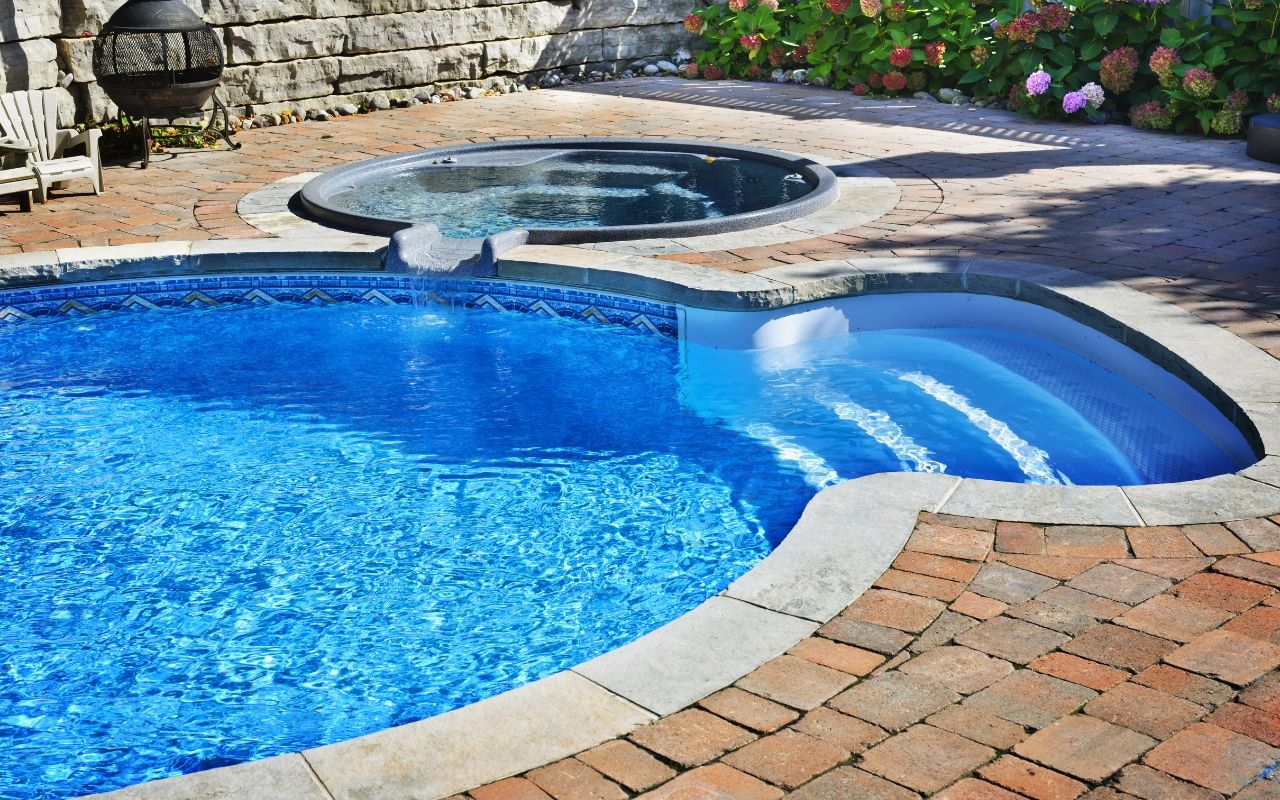
Installing an inground pool is a dream for many homeowners. A pool not only adds beauty and value to your backyard but also creates a space for relaxation, exercise, and family fun. However, one of the most common questions people have before starting this project is, “How long does it take to install an inground pool?”
The answer isn’t the same for everyone. The total installation time depends on several factors, including the type of pool you choose, the size and shape, the site conditions, and even the weather. In this article, we will guide you through the entire inground pool installation process and explain what affects the timeline so you know what to expect.
What Is Inground Pool Installation?
Inground pool installation is the process of building a pool that sits permanently in the ground. Unlike above-ground pools, inground pools are long-term investments. They require careful planning, excavation, plumbing, electrical work, and finishing touches such as decking, coping, and landscaping.
There are three main types of inground pools:
- Concrete or Gunite Pools – These are highly customizable and extremely durable. They can last decades with proper care but take the longest to install.
- Fiberglass Pools – These come as pre-made shells that are installed into a prepared hole. They are quicker to install and low-maintenance but offer fewer design options.
- Vinyl-Liner Pools – These have flexible liners that can fit a variety of shapes and sizes. Installation is generally faster than concrete pools but slower than fiberglass.
Your choice of pool type has a big impact on how long the installation will take.
Key Factors That Affect Installation Time
Several factors can influence how long your inground pool installation will take:
1. Pool Type
- Concrete/Gunite Pools: These can take anywhere from 8 to 12 weeks or more. Concrete pools require multiple layers of material, curing time, and detailed finishing.
- Fiberglass Pools: Usually installed in 1–3 weeks because the pool shell is pre-formed and only needs to be placed, plumbed, and filled.
- Vinyl-Liner Pools: Typically take 4–8 weeks depending on the complexity and whether additional features are included.
2. Pool Size and Shape
A bigger pool or a custom shape requires more digging, materials, and labor, which naturally increases the installation time.
3. Site Conditions
The type of soil, slope, and existing landscaping can affect excavation and construction. Rocky or clay-heavy soil may need special equipment or reinforcement, which can slow the process.
4. Permits and Regulations
Before work can start, most municipalities require permits. Delays in approvals for electrical work, plumbing, or fencing can add days or weeks to your project timeline.
5. Weather Conditions
Weather can significantly affect the construction schedule. Heavy rain, storms, freezing temperatures, or extreme heat can pause work, especially when installing concrete pools.
Step-by-Step Timeline for Inground Pool Installation
Understanding the main steps involved can help you get a clearer picture of how long the project will take.
Step 1: Planning and Design (1–3 Weeks)
Planning is the first step. During this stage, you’ll decide:
- The pool type, size, and shape
- Features like spa areas, waterfalls, lighting, or slides
- Materials for finishes and decking
- Budget and project schedule
Permit applications are also submitted during this stage. Depending on local regulations, getting approvals may take additional time.
Step 2: Excavation (2–5 Days)
Excavation involves digging the hole where the pool will sit. The time depends on:
- Pool size and depth
- Soil type (sand is faster to dig than rocky clay)
- Site obstacles, like trees or landscaping features
Excavation also includes leveling the ground and preparing a solid base for the pool.
Step 3: Plumbing and Electrical Work (3–10 Days)
This step includes:
- Installing water circulation and filtration lines
- Connecting electrical wiring for pumps, heaters, and lights
Proper plumbing and electrical work are critical for safe and efficient pool operation.
Step 4: Structural Work (1–6 Weeks)
The timeline now depends on the type of pool:
- Concrete/Gunite Pools: Spraying and shaping the pool shell, followed by curing and applying interior finishes. This can take 4–6 weeks.
- Fiberglass Pools: Placing the pre-formed shell into the hole, connecting plumbing, and adding finishing touches, usually done in a few days.
- Vinyl-Liner Pools: Building walls, installing the liner, and securing edges, generally completed in 1–2 weeks.
Step 5: Finishing Touches (1–3 Weeks)
Once the pool structure is in place, finishing steps include:
- Applying interior surfaces like plaster, tile, or pebble (mostly for concrete pools)
- Installing coping, decking, and surrounding landscaping
- Filling the pool with water and balancing chemicals
These steps ensure the pool looks beautiful and functions properly.
Step 6: Final Inspection and Handover (1–3 Days)
Before swimming, a final inspection may be required to ensure safety standards are met. The contractor will also show you how to operate and maintain the pool.
Average Timelines for Different Pool Types
Remember, these are average times. Custom features, weather delays, or difficult site conditions may extend the schedule.
Tips to Speed Up Installation
Even though some factors are out of your control, you can take steps to ensure faster inground pool installation:
- Plan in advance – Finalize your design, materials, and permits before work starts.
- Choose a faster pool type – Fiberglass pools are the quickest to install.
- Prepare the site – Remove obstacles, trees, or old structures beforehand.
- Hire experienced contractors – Skilled teams work efficiently and avoid delays.
- Schedule around weather – Avoid starting installation during rainy or freezing seasons.
Common Delays to Watch Out For
Despite careful planning, delays can occur due to:
- Permit issues – Waiting for approval from local authorities
- Weather interruptions – Rain or extreme temperatures
- Material shortages – Delays in supplies like pumps, tiles, or liners
- Unexpected site challenges – Rocks, roots, or uneven soil
Being aware of these potential issues will help you plan better and avoid frustration.
Maintenance Planning During Installation
While your pool is being installed, it’s also a good time to think about long-term care:
- Chemical balance – Learn how to maintain proper chlorine or salt levels.
- Filtration system – Ensure your pump and filter are the right size.
- Safety equipment – Consider fences, alarms, and pool covers.
Proper planning for maintenance ensures your pool stays clean and safe from day one.
Conclusion
Inground pool installation is an exciting journey, but it requires patience and preparation. The timeline depends on many factors, including pool type, size, site conditions, permits, and weather. On average:
- Concrete/Gunite pools: 8–12+ weeks
- Fiberglass pools: 1–3 weeks
- Vinyl-Liner pools: 4–8 weeks
Planning carefully, working with experienced contractors, and understanding the steps involved will make the process smoother. With proper preparation, you’ll soon be enjoying a backyard oasis built to last for years.
Installing an inground pool is not just a home improvement project—it’s an investment in your lifestyle. Knowing what to expect during inground pool installation ensures that the journey from planning to swimming is as stress-free as possible.