
Pain is something almost everyone experiences at some point in life. It can come from a simple muscle strain, long hours of sitting, an old injury, stress, or a medical condition that affects the body over time. While pain is common, living with it every day is not easy. It can affect sleep, movement, mood, work, and even basic daily activities like walking, bending, or lifting.
Many people first try rest, pain medicines, or home remedies to feel better. Sometimes these methods help for a short time, but the pain often returns. This is especially true when the real cause of the pain is not just at the surface level but deeper in the muscles, joints, or nerves.
This is where medical massage can play an important role. It is not the same as a regular relaxation massage. Instead, it is a focused and planned treatment that looks at the actual cause of pain in the body. It is used in healthcare settings to help people recover from injuries, manage long-term pain, and improve body movement.
Medical massage is designed to support healing, not just provide temporary comfort. It works by improving how muscles, blood flow, and nerves function together. Over time, it can help reduce pain and make everyday movement easier.
In this article, we will understand how medical massage works in pain management, what happens inside the body during the process, and why it is becoming a trusted option for many people dealing with different types of pain.
Understanding Pain in the Body
Pain is a signal from the body that something is not right. When tissues are injured or stressed, nerves send messages to the brain, and we feel pain. But pain is not always simple. Sometimes the original injury may heal, but the pain stays because the muscles or nerves are still sensitive.
There are different types of pain:
Acute pain usually starts suddenly, such as after an injury or accident. Chronic pain lasts for a long time and may continue for months or even years. Nerve-related pain happens when nerves are irritated or damaged, which can cause burning, tingling, or sharp sensations.
In many cases, pain becomes a cycle. Tight muscles cause pain, and pain causes more muscle tightness. Over time, this can limit movement and make the condition worse. Medical massage aims to break this cycle.
What Medical Massage Really Means
Medical massage is a type of therapy that focuses on treating specific health problems instead of giving general relaxation. A trained therapist does not just work on the whole body in the same way. Instead, they first understand the patient’s condition, pain points, and medical history.
After this, a plan is created based on what the body actually needs. The goal is to reduce pain, improve movement, and support recovery from injury or strain.
Each session is different because each person’s pain is different. For example, someone with lower back pain will need a different approach compared to someone recovering from a shoulder injury.
How Medical Massage Helps in Pain Relief
Medical massage works through several natural processes in the body. It does not rely on chemicals or surgery. Instead, it supports the body’s own healing ability.
One of the main effects is muscle relaxation. When muscles stay tight for too long, they press on nerves and reduce blood flow. This leads to pain and stiffness. Medical massage helps loosen these tight areas, allowing the muscles to relax and move more freely.
It also improves blood circulation. Better blood flow means more oxygen and nutrients reach the affected area. This helps tissues heal faster and reduces soreness.
Another important effect is on the nervous system. The body has a natural system that controls how we feel pain. Gentle pressure and touch during medical massage send signals to the brain that help reduce pain intensity. This is why many people feel relief even during or right after a session.
Inflammation is another cause of pain. When tissues are swollen or irritated, movement becomes difficult and painful. Medical massage can help reduce this swelling by improving fluid movement in the body.
Over time, it can also help soften scar tissue and reduce stiffness caused by old injuries. This makes movement smoother and less painful.
Conditions That Can Benefit from Medical Massage
Medical massage is often used for people with muscle and joint problems. It is helpful for lower back pain, neck stiffness, shoulder tension, and pain caused by poor posture. Many people who sit for long hours at a desk also find relief through this therapy.
It is also useful in recovery after injuries such as sprains, muscle tears, or sports-related strain. People with long-term conditions like arthritis or fibromyalgia may also feel improvement in their daily comfort and movement.
In some cases, it is used alongside physical therapy or other medical treatments to support faster recovery.
What Happens During a Session
A medical massage session usually begins with a short discussion. The therapist may ask about pain levels, medical history, and daily activities. This helps them understand what is causing the problem.
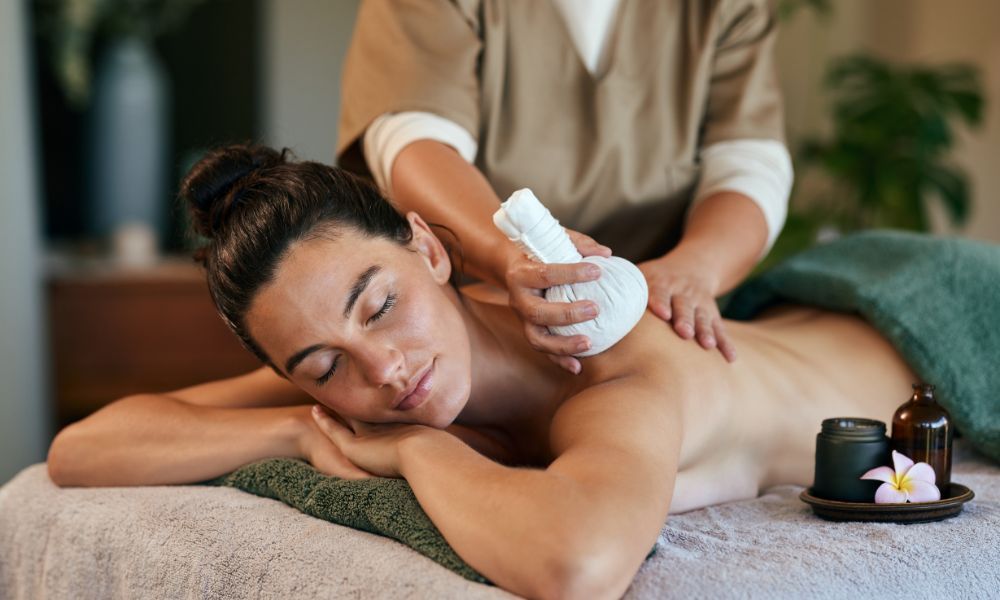
Then the actual treatment begins. The therapist works on specific muscles or areas where the pain is coming from. The pressure used may vary depending on the condition. Some areas may feel tender, especially if there is deep tension or inflammation.
The goal is not to rush the process but to slowly release tight areas and improve movement. After the session, many people feel lighter, more relaxed, and able to move more easily.
Why Medical Massage Is Important in Pain Management
Pain management is not only about stopping pain for a short time. It is about improving long-term comfort and function. Medical massage supports this by working on the actual source of pain instead of just covering the symptoms.
It also helps reduce dependence on pain medicines in some cases. Since it improves movement and relaxation naturally, it becomes a useful part of a wider recovery plan.
Another benefit is that it supports overall well-being. When pain reduces, sleep improves, stress decreases, and daily life becomes easier.
Medical Massage in a Complete Care Approach
In many cases, medical massage works best when combined with other treatments like exercise, stretching, or physical therapy. This combined approach gives better results because it supports the body from different angles.
It is important to remember that every person’s condition is different, so treatment should always be planned based on individual needs and professional guidance.
Conclusion
Pain can affect every part of life, but the right care can make a big difference. Medical massage is a simple yet effective approach that focuses on real causes of pain such as tight muscles, poor blood flow, nerve pressure, and inflammation. Working on these areas, it helps the body heal naturally and improves movement over time.
It is not a quick fix, but with regular care and proper guidance, it can become an important part of long-term pain relief and recovery.
Many people today look for safe and non-invasive ways to manage pain, and this is where professional support becomes important. Clinics such as SF Medical MassageCustom Chiropractic offer patient-focused care where treatments like medical massage are often included as part of a complete recovery plan.
With the right approach and consistent care, medical massage can help people move better, feel better, and return to their daily activities with less pain and more comfort.