
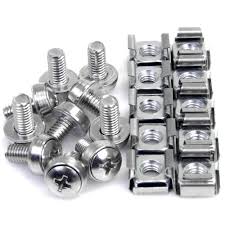
Choosing the right hardware for your server rack might seem like a small detail, but it plays a crucial role in ensuring stability, safety, and long-term reliability. Among these components, cage nuts are especially important for mounting equipment securely in a 19-inch rack system. If you’ve ever struggled with mismatched screws or unstable installations, you already know how essential it is to pick the right ones. This guide will walk you through everything you need to know about selecting the right cage nuts for your setup.
Understanding Cage Nuts and Their Purpose
Cage nuts are small, square nuts enclosed in a spring steel cage. They are designed to snap into the square holes of a rack rail, providing a threaded hole for screws. This design allows flexibility, as you can easily replace damaged threads without replacing the entire rail.
In a standard 19-inch rack, cage nuts are widely used because they accommodate various thread types and sizes. Whether you're installing servers, switches, or patch panels, the right combination of 19 rack cage nuts, 19 inch rack screws, and compatible hardware ensures everything stays firmly in place.
Common Types of Cage Nuts
Before choosing cage nuts, it's important to understand the most common thread types:
- M6 (Metric): The most widely used size in modern racks. Ideal for heavier equipment due to its strength.
- 10-32 (UNF): Common in older racks, especially in North America.
- 12-24 (UNC): Often used for heavier gear but less common than M6 today.
Selecting the correct thread type is essential because mismatched screws and nuts can strip threads or fail to secure equipment properly.
Material and Durability
Not all cage nuts are created equal. The material and finish can significantly affect performance and longevity:
- Steel with zinc plating: Offers corrosion resistance and is suitable for most indoor environments.
Stainless steel: Provides superior resistance to rust, ideal for humid or harsh conditions.
- Hardened steel: Best for heavy-duty applications where strength is critical.
If your rack is located in a data center with controlled conditions, standard zinc-plated rack cage nuts will usually suffice. However, for industrial environments, investing in higher-grade materials is a smart move.
Load Capacity and Equipment Weight
Always consider the weight of the equipment you’re mounting. Heavier devices like servers and UPS systems require stronger hardware. M6 cage nuts are typically preferred for such applications because they can handle higher loads compared to smaller thread types.
Using low-quality or incorrect cage nuts can lead to equipment sagging or, in worst cases, falling out of the rack. Pairing strong rack cage nuts with durable 19 inch rack screws ensures a secure installation.
Ease of Installation
Some cage nuts are easier to install than others. Traditional cage nuts require a bit of force and sometimes a specialized tool to snap into place. However, newer tool-less designs are available, making installation quicker and reducing the risk of injury.
If you frequently reconfigure your rack, consider cage nuts designed for easy insertion and removal. This can save time and effort during maintenance or upgrades.
Compatibility with Rack Rails
Not all racks are identical. While most modern racks use square holes, some older models have round or threaded holes. Cage nuts are specifically designed for square-hole racks, so always verify your rack type before purchasing.
Using the correct 19 rack cage nuts ensures a snug fit within the rail, preventing movement or loosening over time. Compatibility is key to maintaining a stable and professional rack setup.
Quantity and Spare Planning
It’s always a good idea to buy more cage nuts and screws than you currently need. Having spares on hand can be extremely helpful during future expansions or replacements. Hardware can get lost or damaged, and having extras ensures you won’t face delays.
Many suppliers offer kits that include both cage nuts and matching 19 inch rack screws, which simplifies the selection process and guarantees compatibility.
Safety Considerations
Improperly installed cage nuts can be a safety hazard. Loose equipment can shift, fall, or cause damage to other components. Always double-check that each nut is securely clipped into the rail and that screws are tightened appropriately.
Additionally, avoid over-tightening screws, as this can strip threads or damage the cage nut. A balanced approach ensures both security and longevity.
Final Thoughts
Choosing the right cage nuts for your 19-inch rack is more than just a minor detail—it’s a foundational step in building a reliable and organized system. By understanding thread types, materials, load capacity, and compatibility, you can make informed decisions that enhance both performance and safety.
Whether you're setting up a new rack or upgrading an existing one, investing in high-quality rack cage nuts, properly matched 19 rack cage nuts, and durable 19 inch rack screws will pay off in the long run. A well-secured rack not only protects your equipment but also ensures smooth operation and easier maintenance.
Taking the time to choose the right hardware today can prevent costly issues tomorrow, making your rack setup both efficient and dependable.