
The opioid epidemic has led to a rise in treatments designed to help people struggling with opioid addiction. One of the most effective and commonly used treatments is Suboxone. Suboxone combines two ingredients, buprenorphine and naloxone, to reduce cravings and withdrawal symptoms. This medication-assisted treatment (MAT) has been proven to improve recovery outcomes and help prevent overdose deaths.
Traditionally, people seeking Suboxone treatment had to visit a clinic in person. However, with the growing popularity of telemedicine, online Suboxone clinics have become a more accessible option. These clinics allow individuals to receive treatment from home, connecting with healthcare providers remotely. But the question remains: is an online Suboxone clinic just as effective as in-person treatment? This article will explore both options, comparing their benefits, challenges, and considerations to help you make an informed decision about your treatment.
What Is Suboxone and How Does It Help?
Suboxone is a medication used to treat opioid use disorder. The combination of buprenorphine and naloxone works by relieving withdrawal symptoms and reducing the desire to use opioids. Buprenorphine helps people avoid cravings, while naloxone prevents misuse of the medication. Suboxone has been a game-changer in addiction treatment, offering patients a safe and effective way to manage their condition while working towards recovery.
Medically assisted treatments like Suboxone have been shown to reduce opioid use, improve mental health, and help individuals stay in treatment for a longer time. For many, Suboxone is the key to breaking free from the cycle of addiction.
What Is an Online Suboxone Clinic?
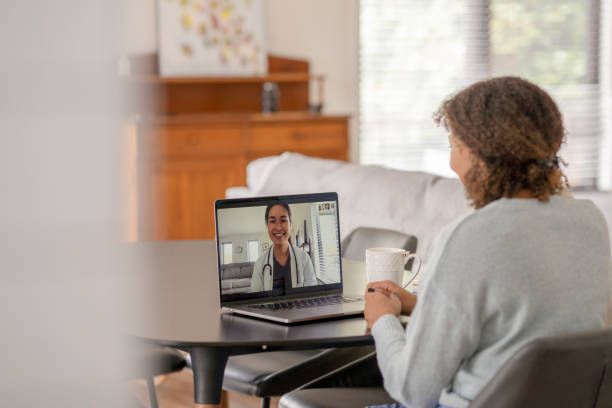
An online Suboxone clinic is a treatment option that allows patients to receive Suboxone treatment via telehealth. Instead of visiting a clinic, patients can connect with healthcare providers remotely using video calls, phone calls, or messaging platforms. These services provide assessments, prescriptions, and ongoing support — all from the comfort of the patient's home.
Online Suboxone clinics have gained popularity due to their convenience and the ability to provide care to individuals in underserved areas where access to treatment is limited. During the COVID-19 pandemic, telemedicine regulations were relaxed, allowing more people to access medications like Suboxone through online platforms.
Advantages of an Online Suboxone Clinic
Accessibility and Convenience
The most significant advantage of an online Suboxone clinic is its accessibility. People who live in rural or remote areas, where addiction treatment services may be scarce, can now access Suboxone therapy without needing to travel long distances. For busy individuals with hectic schedules, the ability to attend appointments from home saves time and reduces stress.
Greater Privacy
Addiction treatment can sometimes come with a stigma, making people reluctant to seek help. By choosing an online Suboxone clinic, patients can receive treatment discreetly, without worrying about being judged in a waiting room or clinic setting. This privacy can be empowering and help patients feel more comfortable about reaching out for care.
Flexibility and Time Efficiency
Online Suboxone clinics allow for flexible appointment scheduling, often with fewer waiting times compared to traditional in-person clinics. Patients can consult with their healthcare provider at a time that suits them, making it easier to maintain regular appointments and stay on track with their treatment plan.
Cost-Effectiveness
Since online Suboxone clinics don't require patients to travel to a physical location, they can save money on transportation costs and time off work. These savings can make treatment more affordable, especially for those who would struggle to pay for frequent in-person visits.
Benefits of In-Person Suboxone Treatment
Direct Medical Supervision
One of the main advantages of in-person treatment is that patients have direct access to their healthcare provider. During in-person visits, doctors can perform physical exams, take lab tests, and closely monitor a patient's progress. This hands-on supervision can be essential, especially during the early stages of treatment when patients may need extra support.
Comprehensive Care and Support Services
In-person Suboxone treatment clinics often offer a variety of additional services such as group therapy, individual counseling, and case management. These support services are usually provided in a structured environment, helping patients to address the underlying causes of their addiction and develop coping skills.
A Stronger Therapeutic Relationship
For some individuals, face-to-face interactions are crucial for building trust with their healthcare provider. In-person treatment allows for a stronger personal connection, which can lead to more effective communication and better treatment outcomes. Some patients may feel more motivated and supported when working directly with their healthcare provider.
Emergency Care and Immediate Support
In-person clinics are equipped to handle emergencies and urgent health concerns that may arise during treatment. Whether it’s a medical complication or a mental health crisis, patients can receive immediate care when visiting a clinic in person, something that may not always be possible with online services.
Challenges of Online Suboxone Clinics
Limited Physical Assessment
One of the main challenges of online Suboxone clinics is the inability to conduct physical exams. While video consultations can be effective for reviewing a patient’s progress, some conditions or side effects might go unnoticed without an in-person examination. Patients in need of more complex care may find that an online clinic doesn’t offer the thorough oversight they require.
Technology Barriers
Online Suboxone clinics rely on technology, which can be a barrier for some people. Not everyone has access to reliable internet or the necessary devices to participate in telehealth sessions. For individuals who are not comfortable using digital platforms, online treatment may feel intimidating or inaccessible.
Lack of Direct Monitoring
Unlike in-person clinics, online Suboxone clinics may not have the capacity to conduct regular drug screenings or provide immediate intervention if a patient’s condition worsens. Some patients may benefit from the structure and accountability provided by in-person visits, including the requirement for routine testing.
Quality and Regulation Concerns
Since online healthcare services can vary significantly, it’s important to ensure that the clinic is reputable and regulated. Some online clinics may not follow the necessary standards of care, and there have been concerns about “doctor shopping” or unregulated practices. Patients should carefully research providers and make sure they are licensed to prescribe Suboxone in their state.
Drawbacks of In-Person Treatment
Geographic Barriers
One of the biggest challenges of in-person Suboxone treatment is accessibility. People who live in rural or underserved areas may have to travel long distances to visit a clinic. This can be costly, time-consuming, and may discourage some individuals from seeking help altogether.
Time and Scheduling Issues
For many people, finding the time to attend regular in-person appointments can be difficult. Between work, family, and other commitments, attending a clinic in person might feel like an impossible task. This lack of flexibility can make it harder for some individuals to stay engaged in treatment.
Stigma and Judgment
While in-person treatment provides essential medical oversight, some patients may feel self-conscious about being seen in a clinic setting. The fear of judgment can prevent individuals from seeking the help they need, particularly in small communities where everyone knows each other.
Less Flexibility
Unlike online clinics, in-person Suboxone treatment typically requires patients to attend scheduled appointments, which can be difficult to manage for those with unpredictable schedules. For individuals who need more flexibility, the rigid structure of in-person treatment may not be ideal.
The Evidence: Online vs. In-Person Treatment
Research into the effectiveness of online Suboxone clinics is still in its early stages, but early results show that telehealth can be just as effective as in-person treatment for many patients. Studies have found that online treatment can reduce opioid use, improve treatment retention, and provide similar health outcomes as traditional in-person care, especially when comprehensive support services are available.
In contrast, in-person treatment has a long history of success, with well-established protocols for reducing relapse, improving mental health, and supporting recovery. Many patients thrive in a structured in-person environment where they receive continuous care and support.
Conclusion
The choice between an online Suboxone clinic and in-person treatment depends on various factors. For those who live in remote areas, have busy schedules, or prefer the privacy and convenience of online care, a telehealth option may be the best fit. However, for individuals who need more structured support, direct medical supervision, or additional therapies, in-person treatment may be the better choice.
Ultimately, the best approach is the one that fits your personal needs, preferences, and treatment goals. Whether you choose online or in-person care, what matters most is that you find a treatment plan that works for you and provides the support you need to achieve long-term recovery.
If you are unsure which option is right for you, consider speaking with a healthcare professional to discuss your treatment needs and find the best solution.