
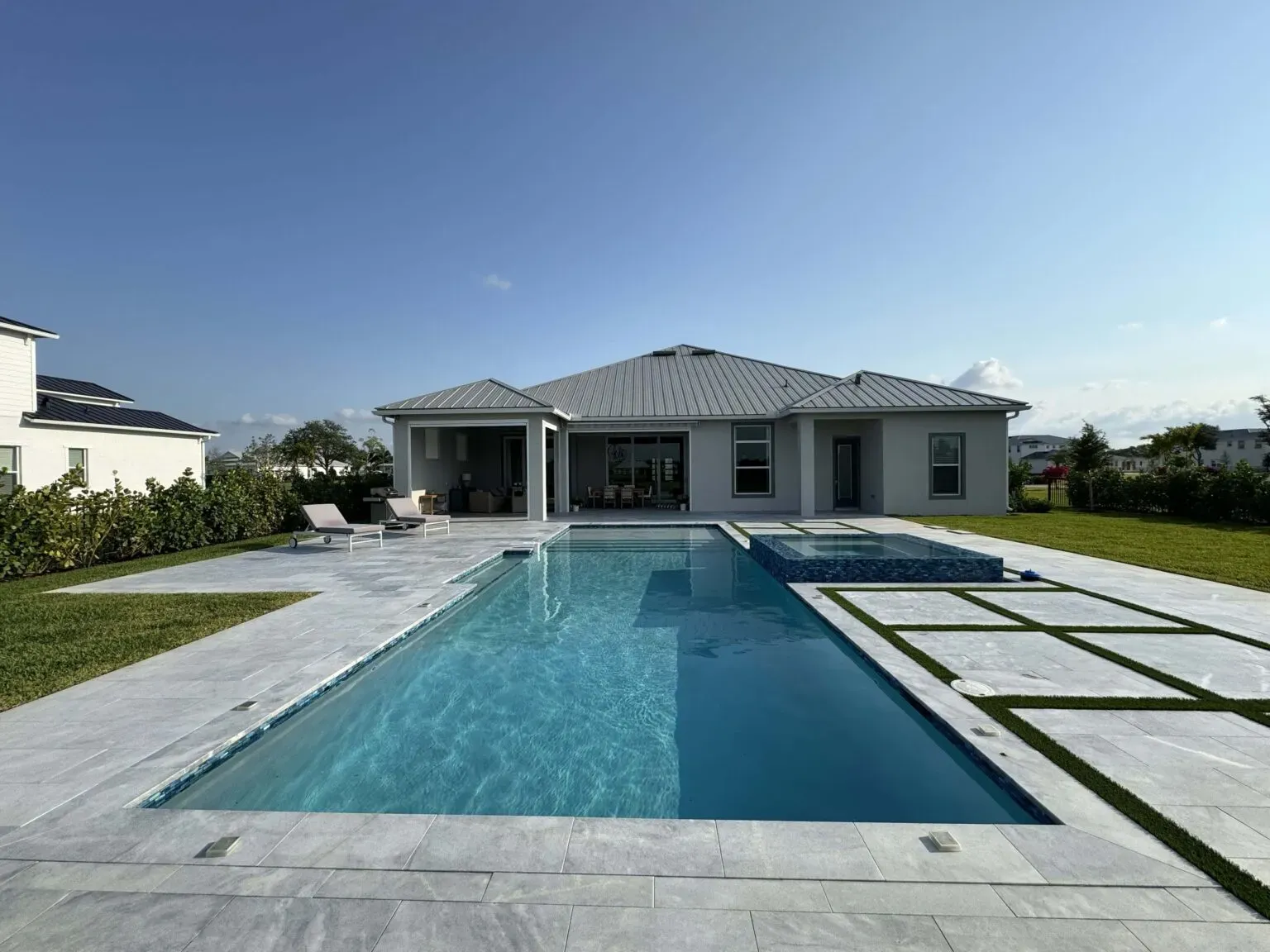
A swimming pool is a wonderful addition to any home, offering relaxation, exercise, and a fun environ0ment for families and friends. However, like any other piece of equipment, pool systems need regular maintenance and sometimes repairs to keep functioning efficiently. Whether it's the pump, filter, heater, or other components, it's crucial to stay alert for signs that your pool equipment may need repair. Ignoring these signs could lead to larger, more expensive problems down the road.
In this article, we’ll discuss the common signs that indicate your pool equipment needs repair and provide tips on how to address these issues. Understanding these signs early can save you time, money, and the hassle of dealing with more extensive damage.
1. The Pool Pump is Making Strange Noises
The pool pump is one of the most vital components of your pool system. It circulates water through the filtration system, ensuring the water remains clean and clear. If your pump starts making strange noises like grinding, screeching, or buzzing, it could be a sign that there’s an issue.
Possible Causes:
- Debris in the pump basket: If the pump basket is clogged with debris, the pump may struggle to run smoothly, causing unusual noises.
- Worn-out bearings: Over time, the bearings inside the pump motor can wear out, leading to a loud, grinding noise.
- Air in the pump: If air enters the pump, it can create a gurgling or whistling sound.
How to Fix It:
- Clean the pump basket: Remove any debris from the pump basket to allow smooth water flow.
- Check for air leaks: Ensure that the pump lid is properly sealed and check all hoses for leaks. Air leaks can disrupt the pump’s function and cause noise.
- Replace the motor bearings: If the bearings are worn out, it may be time to replace the motor. A professional pool technician can help with this.
2. Water Flow is Weak or Inconsistent
A weak water flow is one of the most common signs that your pool equipment is in need of repair. If the water doesn’t flow freely through the pool or the jets are weak, it can disrupt the entire filtration process, leading to murky or dirty water.
Possible Causes:
- Clogged filter: If your filter is clogged with dirt and debris, it will impede water flow. A dirty filter reduces the efficiency of the pump and can lead to lower water pressure.
- Blocked pipes or hoses: If there is debris or dirt in the pool’s pipes or hoses, it can block the water flow and reduce pressure.
- Broken pump impeller: The pump impeller helps move water through the system. If it becomes damaged, it can reduce water flow.
How to Fix It:
- Clean or replace the filter: Depending on the type of filter, cleaning or replacing it can resolve the issue. Sand and DE filters may need to be backwashed or cleaned, while cartridge filters may need to be replaced.
- Inspect the pipes and hoses: Check for clogs or blockages in the pipes. Use a hose or pressure washer to clear any debris that may be obstructing the flow.
- Replace the pump impeller: If the impeller is damaged, it will need to be replaced to restore normal water flow. A professional technician can assist with this.
3. The Pool Heater Isn’t Heating Properly
A pool heater is essential for maintaining a comfortable swimming temperature, especially in cooler climates. If your pool heater isn’t working properly or producing heat as it should, it can significantly affect your swimming experience, making the pool unusable during colder weather. Regular Swimming Pool Maintenance is key to keeping your heater running efficiently.
Possible Causes:
- Clogged filter or debris in the heater: If there’s a blockage in the filter or debris inside the heater, it can prevent it from operating efficiently, leading to poor heating performance.
- Thermostat malfunction: If the thermostat isn’t functioning correctly, it may not signal the heater to turn on or maintain the correct temperature. This can lead to inconsistent heating or no heat at all.
- Gas supply issues (for gas heaters): A gas heater may fail to ignite if the gas supply is disrupted or if the pilot light goes out. Without proper gas flow, the heater cannot generate heat for the pool.
How to Fix It:
- Clean the filter and heater: Regularly cleaning the pool filter and heater is essential to prevent clogs and ensure optimal water circulation. This should be part of your regular Swimming Pool Maintenanceroutine to ensure the heater is not obstructed.
- Check and recalibrate the thermostat: If the thermostat is malfunctioning, check the calibration or replace it if necessary. If you’re unsure about the thermostat’s function, a professional can inspect and calibrate it for you.
- Ensure proper gas supply: For gas heaters, make sure that the gas valve is open and that there’s no disruption in the gas supply. Also, check the pilot light and ensure it’s functioning properly. If there are issues with the gas system, contact a technician.
4. Water is Cloudy or Dirty Despite Regular Cleaning
If your pool’s water appears cloudy or dirty even after regular cleaning, it’s a clear indication that something is wrong with your pool’s filtration system or water circulation. Cloudy water can be caused by poor filtration, improper chemical balance, or equipment failure.
Possible Causes:
- Inefficient filtration system: If the filter is not working as it should, it won’t effectively remove dirt and debris from the water.
- Pump failure: If the pump is not circulating water properly, debris can settle in the pool, making the water appear dirty.
- Chemical imbalance: Incorrect pH or chlorine levels can cause cloudiness and poor water quality.
How to Fix It:
- Check and clean the filter: If the filter is dirty or clogged, clean or replace it to improve filtration.
- Inspect the pump: Ensure the pump is running smoothly and the water is circulating correctly.
- Balance pool chemicals: Test the water and adjust the chemical balance, including pH and chlorine levels, to ensure the water remains clear.
5. Pool Equipment Keeps Shutting Off
If your pool equipment, particularly the pump or heater, keeps shutting off unexpectedly, it could indicate an electrical or mechanical issue. This can disrupt the entire pool system, making it difficult to maintain clean and safe water.
Possible Causes:
- Overheating pump motor: If the pump motor overheats, it may shut off automatically to prevent damage.
- Faulty timer or electrical connections: A malfunctioning timer or wiring can cause the equipment to shut off unexpectedly.
- Tripped circuit breaker: If the circuit breaker trips, the equipment will stop running until it’s reset.
How to Fix It:
- Check the motor for overheating: Ensure the motor is properly ventilated and not blocked. If it’s still overheating, it may need to be replaced.
- Inspect electrical components: Check the timer, wiring, and connections for any signs of wear or damage. If needed, contact an electrician to fix the issue.
- Reset the circuit breaker: If the breaker has tripped, reset it and monitor the equipment. If the issue persists, consult a professional.
6. Frequent Filter Clogs
If your pool filter is frequently clogging, it could be an indication of a deeper issue with the filtration system. Filters are designed to catch debris and keep the pool water clean, but they should not require constant maintenance or cleaning.
Possible Causes:
- Too much debris in the pool: If there’s a lot of debris, leaves, or dirt in the pool, the filter will clog more frequently.
- Aging filter system: As the filter ages, it may lose its effectiveness and require more frequent cleaning.
- Improperly sized filter: If the filter is too small for the pool, it may clog quickly and need frequent attention.
How to Fix It:
- Clean the filter regularly: Remove debris from the pool and clean the filter according to the manufacturer’s guidelines.
- Replace the filter: If the filter is old or damaged, consider replacing it with a new one to improve efficiency.
- Ensure the filter is the right size: Consult a pool professional to ensure the filter is appropriately sized for your pool.
7. Low Pool Water Levels
Low water levels can affect the function of your pool pump and other equipment. If the water level is too low, the pump may suck in air, causing damage to the system. It can also lead to poor filtration.
Possible Causes:
- Leak in the pool: A leak in the pool can cause the water level to drop over time.
- Evaporation: In hot weather, water can evaporate quickly, leading to a drop in the pool’s water level.
- Broken or malfunctioning water line: If the water line or automatic fill system is broken, the pool may not maintain a proper water level.
How to Fix It:
- Check for leaks: Inspect the pool and plumbing for any visible leaks. If you suspect a leak, contact a professional to locate and repair it.
- Add water: If evaporation is the cause, simply add more water to the pool. Ensure that the water level stays at the appropriate mark.
- Fix the water line or auto-fill system: If the auto-fill system is malfunctioning, contact a pool technician to repair it.
Conclusion
Your pool’s equipment is essential for keeping your swimming pool clean, safe, and enjoyable. By understanding the signs of equipment issues, you can act quickly to avoid costly repairs and ensure your pool stays in top condition. Regular maintenance and prompt repairs are key to preserving the lifespan of your pool equipment. If you're unsure about how to address any of these issues, consider consulting a professional in pool installation services or Swimming Pool Maintenance to help you resolve the problem.