
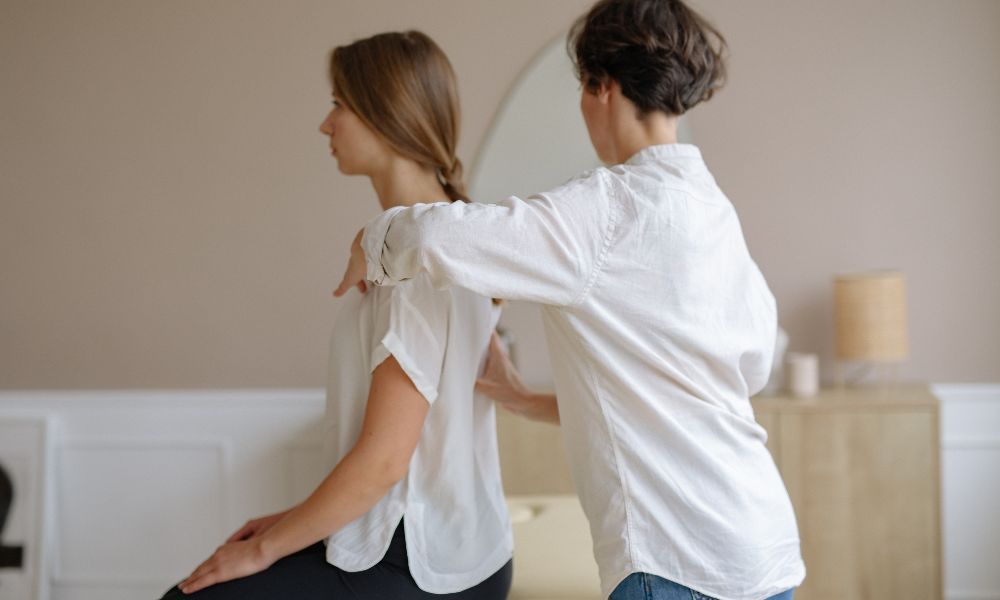
The spine is a crucial part of our body, providing support and enabling movement. A healthy spine has natural curves that help distribute weight and absorb shock. However, when these natural curves become abnormal, they can cause discomfort and lead to spine curvature disorders. Two common terms related to abnormal spine curvature are “spine curvature” and “scoliosis.” Though these terms are sometimes used interchangeably, they are actually different conditions.
In this article, we will take a closer look at spine curvature and scoliosis, explaining what each condition is, how they differ, and how they can be treated. By the end, you'll have a better understanding of these spinal issues, what causes them, and how they can be managed.
What is spine curvature?
The spine, or backbone, consists of individual bones called vertebrae, stacked on top of one another. These vertebrae are connected by discs that provide cushioning, and muscles that help with movement and posture. Normally, the spine has three natural curves: one in the neck (cervical), one in the upper back (thoracic), and one in the lower back (lumbar). These curves help maintain balance and allow for mobility.
Spine curvature refers to any abnormal bending or twisting of the spine that goes beyond these normal curves. When the spine’s natural curve becomes exaggerated or misaligned, it can lead to a range of conditions that cause discomfort, pain, or other issues. It’s important to know that spine curvature doesn’t always mean a severe problem—it may range from a mild misalignment to more noticeable and painful conditions.
Types of Spine Curvature Disorders
There are different types of spine curvature disorders, each affecting a specific part of the spine:
- Kyphosis: Kyphosis is a condition where there is an excessive forward curve in the upper back, which causes a rounded or hunched back. It is often seen in older adults, especially those with osteoporosis, but it can also develop in younger individuals due to poor posture or other factors.
- Lordosis: Also known as swayback, lordosis refers to an excessive inward curve in the lower back. This condition can make the abdomen stick out and create discomfort in the lower back. It is sometimes associated with obesity, weak muscles, or spinal abnormalities.
- Scoliosis: Scoliosis is a specific type of spine curvature that causes the spine to curve to the side, often in a “C” or “S” shape. Unlike other forms of spine curvature, scoliosis can cause noticeable changes in posture and body alignment.
What is scoliosis?
Scoliosis is a condition where the spine curves sideways, forming an abnormal "C" or "S" shape. This curvature can occur in any part of the spine, but it is most commonly seen in the thoracic (upper) and lumbar (lower) regions. Scoliosis is a type of spine curvature, but it is unique in that it affects the spine in a side-to-side direction, rather than causing forward or backward bending.
In some cases, scoliosis may be mild and cause no symptoms, but in more severe cases, it can lead to pain, discomfort, and difficulty moving. If left untreated, scoliosis can cause further complications, such as affecting lung function or nerve health.
How Are Spine Curvature and Scoliosis Different?
Though both conditions involve abnormal curves of the spine, spine curvature and scoliosis are not the same thing. Here’s how they differ:
Nature of the Curvature
Spine curvature is a broad term that includes any deviation from the spine's natural curves, whether it’s an excessive forward curve, backward curve, or side-to-side bend. Scoliosis, on the other hand, is specifically a side-to-side curve, often taking the shape of a "C" or "S."
Direction of the Curve
Spine curvature can happen in any direction. For example, kyphosis involves a forward curve, while lordosis involves an inward curve. Scoliosis is distinct because it causes a sideways curve in the spine.
Causes
Spine curvature can result from various factors, including poor posture, injury, muscle imbalances, or degenerative conditions like osteoporosis. Scoliosis may have a genetic or developmental origin. In some cases, scoliosis is present at birth (congenital), while in others, it develops during childhood or adolescence. It can also be linked to conditions like cerebral palsy or muscular dystrophy, though in many cases, the cause is unknown.
Symptoms
Spine curvature symptoms vary depending on the type and severity. They may include back pain, stiffness, difficulty with movement, or in more severe cases, nerve compression or difficulty breathing. Scoliosis symptoms are more obvious and may include uneven shoulders or hips, an asymmetrical waist, or visible curvature in the back. Severe cases can lead to chronic pain, nerve issues, and difficulty breathing.
Diagnosing Spine Curvature and Scoliosis
Both spine curvature and scoliosis are diagnosed through physical examination and imaging tests like X-rays. A healthcare provider will examine the spine’s shape, alignment, and range of motion to determine the degree of curvature. The severity of the curvature is often measured using a tool called the Cobb angle, which helps guide treatment decisions.
In the case of scoliosis, the degree of curvature will determine whether the condition is mild, moderate, or severe. For example, a mild curve may only require monitoring, while more severe cases may need more aggressive treatment, such as bracing or surgery.
Treating Spine Curvature
Treatment for spine curvature depends on the specific condition and its severity. For mild cases, physical therapy and lifestyle changes like improving posture and strengthening muscles can help improve spinal alignment and reduce pain. In more severe cases, additional treatments may be needed:
- Physical Therapy: Exercises to improve posture, strengthen muscles, and increase flexibility can be beneficial for managing mild spine curvature.
- Bracing: For children or adolescents with developing spine curvature, wearing a brace may prevent further misalignment, especially if the curvature is moderate.
- Medications: Pain relief medications, such as anti-inflammatory drugs, can help manage discomfort caused by spine curvature.
- Surgery: In cases where conservative treatments aren’t effective or the curvature is severe, surgery may be recommended to straighten and stabilize the spine.
Treating Scoliosis
Like spine curvature, the treatment for scoliosis depends on the severity and symptoms of the condition. Here are some common approaches:
- Observation: If scoliosis is mild, a doctor may choose to monitor the condition over time. Regular check-ups and X-rays can help track the progression of the curve.
- Bracing: In adolescents who are still growing, a back brace may help prevent the curve from getting worse. Bracing is typically recommended for moderate scoliosis with a Cobb angle between 25 and 40 degrees.
- Physical Therapy: Exercises can help improve posture, strengthen the muscles surrounding the spine, and relieve pain associated with scoliosis.
- Surgery: In severe cases of scoliosis, where the curve is greater than 45 to 50 degrees, surgery may be necessary. A procedure like spinal fusion can correct the curve and prevent it from progressing further.
Preventing Spine Curvature and Scoliosis
While you can’t always prevent conditions like scoliosis, there are things you can do to support a healthy spine:
- Good Posture: Maintaining good posture while sitting, standing, and walking can help prevent unnecessary strain on your spine.
- Exercise Regularly: Strengthening your core and back muscles through regular exercise can improve spinal alignment and reduce the risk of curvature.
- Ergonomics: Using ergonomic furniture and making sure your work or study environment is spine-friendly can prevent poor posture and reduce the risk of developing spine issues.
- Early Detection: Regular check-ups with a healthcare provider, especially during childhood, can help catch any spinal issues early. The earlier a problem is detected, the easier it may be to manage.
Conclusion
In conclusion, while both spine curvature and scoliosis refer to abnormal spinal alignment, they are different conditions. Spine curvature can involve excessive bending in any direction—forward, backward, or sideways—while scoliosis specifically refers to a side-to-side curve. Both conditions can cause pain and discomfort, but with the right treatments and lifestyle changes, you can manage these conditions and lead an active, healthy life. If you suspect you have spine curvature or scoliosis, consulting a healthcare provider is essential to get the right diagnosis and treatment plan.