
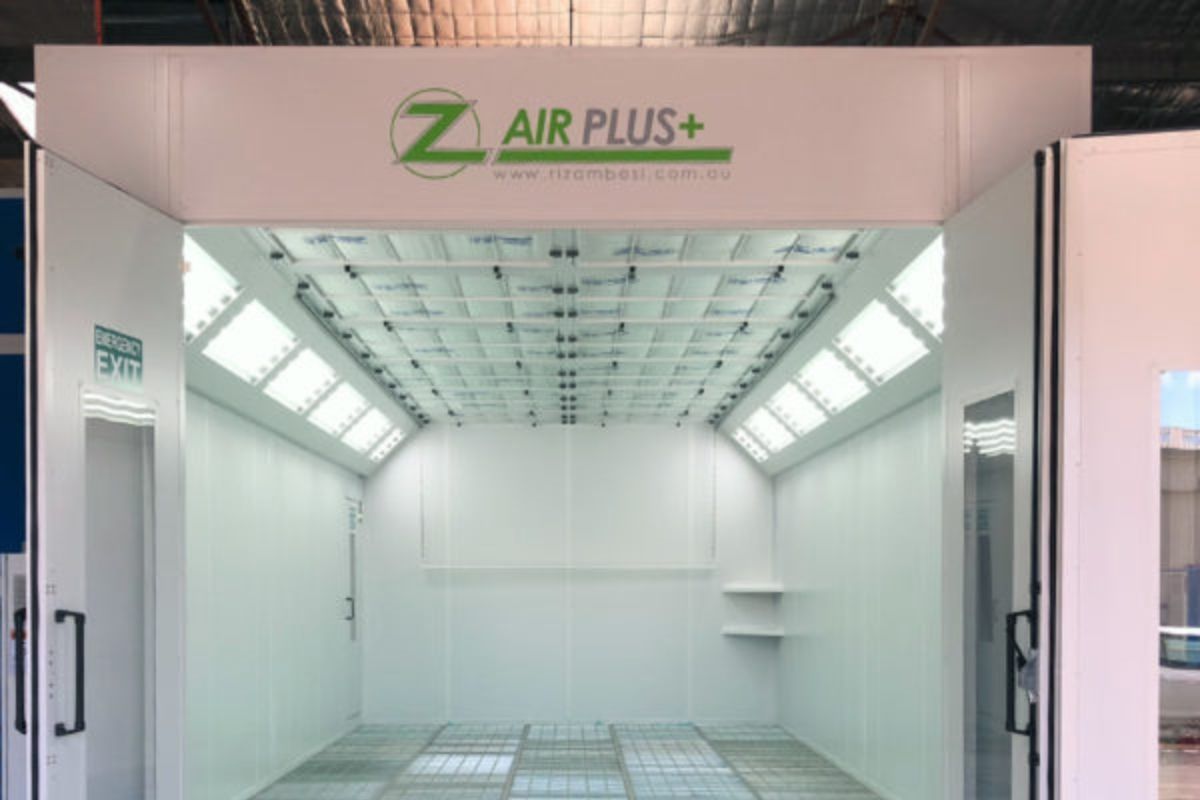
Spray booths play a critical role in delivering high-quality finishes across automotive, industrial, and manufacturing environments. Whether used for painting vehicles, furniture, or metal components, spray booths ensure a controlled environment that improves safety, efficiency, and finish consistency.
However, like any industrial equipment, spray booths require consistent care. Without proper maintenance, performance declines, energy costs increase, and the lifespan of the system shortens significantly. In this guide, we will explore practical and effective spray booth maintenance tips to help you extend equipment life and maintain peak performance.
Why Spray Booth Maintenance Matters
Regular maintenance is not just about preventing breakdowns. It directly affects:
- Air quality inside the booth
- Paint finish consistency
- Energy consumption
- Worker safety
- Equipment durability
Neglecting maintenance can lead to clogged filters, poor airflow, contamination in paint jobs, and even costly system failures. Proper upkeep ensures that your spray booths continue to operate efficiently for years.
1. Clean and Replace Filters Regularly
Filters are the first line of defense in any spray booth system. They trap overspray, dust, and airborne particles that could affect paint quality.
Maintenance tips:
- Inspect intake and exhaust filters weekly
- Replace filters when airflow is reduced
- Use manufacturer-recommended filter types
Dirty filters restrict airflow, causing strain on the system and reducing efficiency. Keeping filters clean is one of the simplest ways to extend spray booth lifespan.
2. Maintain Proper Airflow Balance
Balanced airflow is essential for achieving a smooth finish and protecting the booth structure.
What to check:
- Ensure exhaust fans are working efficiently
- Verify that air pressure is balanced
- Look for uneven air distribution inside the booth
Poor airflow can lead to dust contamination and uneven paint application. Regular airflow testing helps maintain consistent performance in spray booths.
3. Inspect Ventilation System Components
The ventilation system ensures that harmful fumes and overspray are safely removed from the booth.
Key actions:
- Check ductwork for blockages
- Inspect fan blades for dust buildup
- Ensure motors are operating smoothly
Even small ventilation issues can escalate into major performance problems. Routine inspections reduce the risk of breakdowns and improve long-term equipment reliability.
4. Clean the Interior Booth Surfaces
Paint overspray naturally accumulates on booth walls, floors, and ceilings. Over time, this buildup can flake off and contaminate new paint jobs.
Cleaning routine:
- Wipe down walls and floors weekly
- Use non-abrasive cleaning agents
- Remove dried paint buildup regularly
A clean booth ensures better finishes and reduces the risk of rework or product defects.
5. Monitor Temperature and Humidity Levels
Environmental conditions significantly affect spray booth performance.
Best practices:
- Maintain stable temperature for consistent curing
- Control humidity to prevent paint defects
- Use built-in monitoring systems where available
Uncontrolled conditions can cause paint bubbling, uneven drying, or poor adhesion. Keeping a stable environment improves both output quality and equipment longevity.
6. Check Electrical Components and Controls
Electrical systems power fans, lighting, and control panels in spray booths.
Maintenance checklist:
- Inspect wiring for wear or damage
- Test control panels regularly
- Ensure emergency shut-off systems work properly
Faulty electrical components can lead to downtime or safety hazards, making routine inspection essential.
7. Lubricate Moving Parts
Fans, motors, and dampers contain moving parts that require regular lubrication.
Tips:
- Use manufacturer-approved lubricants
- Follow scheduled maintenance intervals
- Avoid over-lubrication, which can attract dust
Proper lubrication reduces friction and prevents premature wear, extending the life of mechanical components.
8. Schedule Professional Inspections
While daily and weekly maintenance can be handled in-house, professional inspections provide deeper system analysis.
Benefits:
- Early detection of hidden issues
- Calibration of airflow and temperature systems
- Improved compliance with safety standards
Routine expert servicing ensures that spray booths continue performing at optimal levels.
9. Train Operators Properly
Even the best equipment can fail if used incorrectly. Operator training is often overlooked but highly important.
Training should include:
- Proper booth operation procedures
- Cleaning and maintenance routines
- Safety protocols
- Emergency handling steps
Well-trained staff reduce wear and tear and help maintain consistent booth performance.
10. Keep a Maintenance Log
Tracking maintenance activities helps identify patterns and prevent recurring issues.
What to record:
- Filter changes
- Repairs and inspections
- Cleaning schedules
- Performance issues
A maintenance log improves accountability and ensures no critical task is missed.
Final Thoughts
Proper maintenance is essential to maximize the efficiency and lifespan of spray booths. From filter replacement and airflow checks to professional inspections and operator training, every step contributes to better performance and lower long-term costs.By following these spray booth maintenance tips, businesses can ensure safer operations, higher-quality finishes, and reduced downtime. Regular care is not an expense—it is an investment in productivity and equipment longevity.