
Chronic pain affects millions of people around the world, impacting every aspect of daily life. It can interfere with work, hobbies, and social interactions, and often leads to emotional struggles like depression and anxiety. This ongoing pain can make simple tasks feel overwhelming and can result in long-term frustration for those living with it. While there are many treatment options available, finding an effective, long-lasting solution is often a challenge.
One of the therapies that have gained recognition in recent years is medical massage. It’s not just a relaxing spa treatment, but a focused and therapeutic approach designed to help relieve the physical discomfort caused by chronic pain. Medical massage involves the manipulation of soft tissues and muscles to reduce tension, improve circulation, and address the underlying causes of pain. In this article, we’ll explore how medical massage can be a powerful tool in managing chronic pain, why it works, and the science behind it.
What is Chronic Pain?
Chronic pain is defined as pain that lasts longer than three to six months. Unlike acute pain, which serves as a warning sign of injury or illness, chronic pain persists even after the initial cause of the pain has healed. This type of pain is often complex and can result from conditions such as arthritis, fibromyalgia, back pain, sciatica, migraines, and nerve damage. Chronic pain can vary in intensity, ranging from a dull, constant ache to sharp, stabbing sensations.
What makes chronic pain so difficult to manage is its persistence. It can be triggered by physical activity, stress, or even the weather, and over time, it can affect both the body and the mind. Individuals with chronic pain often struggle with sleep issues, mood changes, and reduced mobility. Finding ways to manage this type of pain without relying solely on medications is a common goal for many people dealing with these conditions.
What is Medical Massage?
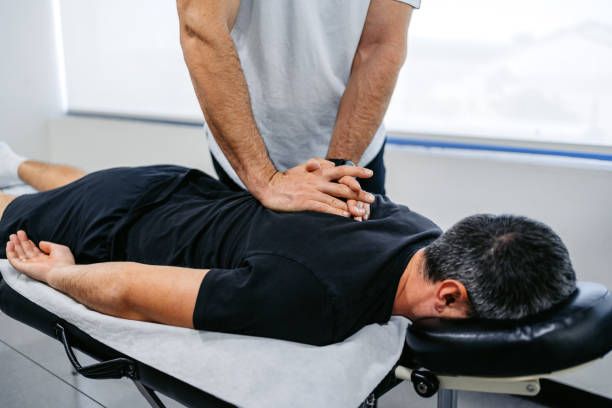
Medical massage is a therapeutic treatment designed to target specific areas of the body where pain, tension, or injury is present. It is different from a regular massage in that it focuses on treating underlying medical issues that cause pain, rather than simply providing relaxation. Medical massage can help with conditions like muscle tightness, joint pain, and nerve compression, all of which are common in chronic pain sufferers.
During a medical massage session, the therapist uses a variety of techniques, such as deep tissue massage, myofascial release, trigger point therapy, and neuromuscular therapy. These techniques are intended to release muscle knots, increase blood flow, improve flexibility, and reduce pain. The therapist works with the patient’s healthcare provider to ensure the treatment plan is appropriate for the specific condition being treated. The goal is not just to make the person feel good in the moment, but to provide long-term relief from the pain.
How Does Medical Massage Help Manage Chronic Pain?
Medical massage can play a significant role in alleviating chronic pain through several mechanisms. Working directly on the muscles, joints, and soft tissues, it helps to reduce tension and improve overall function. Below are the key ways that medical massage can help people manage chronic pain:
1. Improves Blood Flow and Reduces Inflammation
One of the main benefits of medical massage is its ability to improve circulation. Increased blood flow can help reduce inflammation, which is often at the root of chronic pain. For example, when muscles are inflamed or overworked, they may become stiff and painful. Massage helps to bring more oxygen and nutrients to the affected area, which aids in the healing process. Improved circulation also helps to flush out toxins from the body, which can contribute to muscle soreness and tightness.
2. Reduces Muscle Tension
Chronic pain often leads to tight muscles, which can make the pain worse. Over time, muscles may become tense and develop knots, which can limit movement and cause discomfort. Medical massage works by targeting these tight areas, applying pressure to break up the muscle knots and release built-up tension. The therapist may also stretch the muscles to improve flexibility and restore normal function.
This process of releasing muscle tension is important for those who experience chronic pain, as tight muscles can exacerbate the pain and make it harder to move freely. By relaxing the muscles, medical massage can provide immediate relief and improve range of motion.
3. Relieves Nerve Pain
Conditions like sciatica, carpal tunnel syndrome, and fibromyalgia often involve nerve pain, which can be sharp, burning, or tingling. This type of pain occurs when nerves become compressed or irritated. Medical massage can help by reducing the pressure on the nerves and improving the mobility of surrounding tissues. Techniques like neuromuscular therapy are designed to relieve tension in muscles that may be pressing on the nerves, reducing pain and discomfort.
4. Reduces Stress and Improves Mental Health
Chronic pain doesn’t just affect the body; it also takes a toll on mental health. People with chronic pain often experience feelings of stress, frustration, and depression. The constant discomfort can leave individuals feeling isolated and helpless. Medical massage can help by promoting relaxation and reducing stress. The physical touch involved in massage therapy can stimulate the release of endorphins, which are natural chemicals in the body that promote feelings of well-being.
The calming effects of medical massage can also help reduce the anxiety and tension that often accompany chronic pain. As the body relaxes, the mind can begin to relax as well, helping individuals cope with their condition more healthily.
5. Improves Sleep Quality
Many people with chronic pain have trouble sleeping, either due to the discomfort of the pain or the stress and anxiety it causes. Poor sleep can then make pain worse, creating a vicious cycle. Medical massage can help break this cycle by promoting relaxation and reducing muscle tension. By creating a calming effect on the body, it becomes easier for individuals to fall asleep and stay asleep, leading to better rest and improved overall health.
Scientific Evidence Supporting Medical Massage
Research has shown that medical massage can be highly effective in managing chronic pain. Studies have demonstrated that it can help reduce pain intensity, improve physical function, and promote overall well-being.
For example, a study published in the Journal of Alternative and Complementary Medicine found that patients with chronic low back pain who received regular medical massage reported significant reductions in pain and improved mobility. These benefits were sustained for several weeks after the treatment ended.
Another study published in Pain Medicine focused on individuals with fibromyalgia, a condition characterized by widespread pain and tenderness. The study found that massage therapy helped reduce pain levels and improve sleep quality in participants, leading to better overall quality of life.
A meta-analysis published in BMC Complementary and Alternative Medicine reviewed several studies on massage therapy for chronic pain management. The analysis concluded that medical massage was effective in reducing pain and improving function for individuals with various conditions, including back pain, neck pain, and fibromyalgia.
How to Incorporate Medical Massage into Chronic Pain Management
Medical massage should be considered as part of a comprehensive approach to managing chronic pain. Individuals with chronic pain need to work closely with their healthcare providers to create a treatment plan that meets their specific needs. Medical massage can be combined with other therapies, such as physical therapy, medication, or acupuncture, for a more holistic approach to pain management.
When seeking medical massage, it is important to find a licensed and experienced massage therapist who understands the specific chronic pain condition being treated. The therapist should be able to customize the massage techniques to meet the patient’s individual needs and work closely with other healthcare providers to ensure that the treatment is effective and safe.
Conclusion
Medical massage offers a powerful, non-invasive way to manage chronic pain. By improving circulation, reducing muscle tension, alleviating nerve pain, and promoting relaxation, it can provide significant relief for people suffering from chronic conditions. With the support of trained therapists and healthcare providers, medical massage can become a valuable part of an overall pain management plan.
For individuals living with chronic pain, medical massage offers a promising alternative to long-term medication use, helping them lead more comfortable, fulfilling lives. Whether used alone or in combination with other treatments, it has proven to be an effective and holistic approach to managing the physical and emotional challenges of chronic pain.