
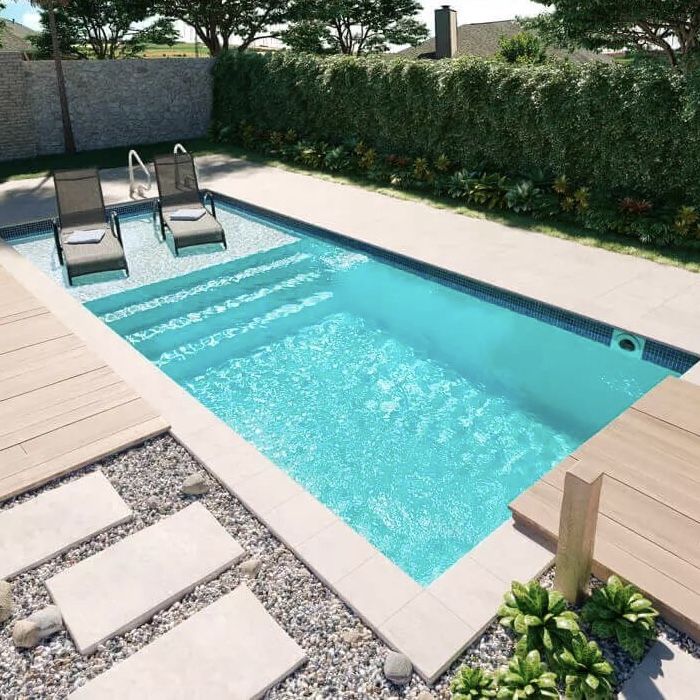
Florida is famous for its sunny weather and warm climate, making it a perfect place to have a backyard pool. For many homeowners, a pool is more than just a way to cool off it’s a spot to relax, spend time with family, and host friends. Pools can also increase the value of a home, making them a smart investment for some homeowners. But building a pool is not cheap, and there’s more to it than just digging a hole and filling it with water.
Before deciding to install a pool, it’s important to understand all the costs involved. From choosing the right type of pool to getting the necessary permits, hiring skilled labor, and keeping the pool maintained, there are many factors that affect the final price. Knowing what to expect can help homeowners plan their budget and avoid surprises along the way.
What Affects the Cost of a Pool in Florida
The total cost of a pool in Florida can change a lot depending on what type of pool you choose, how big it is, and the extra features you want. Let’s break down the main factors so you can see how each one adds to the price.
Type of Pool
One of the biggest factors in the price is the type of pool. There are three main types to consider:
- Concrete Pools: These are strong and last a long time. They can be customized to almost any shape or size and can include things like built-in seating, waterfalls, or special lights. But concrete pools are the most expensive and need more maintenance over time.
- Fiberglass Pools: These come pre-made and are installed quickly. They cost less than concrete pools and are easier to care for, but there are fewer options for customizing their shape or design.
- Vinyl Liner Pools: These are usually the cheapest option and can be installed quickly. The liner may need to be replaced every 5–10 years, but overall they are a good option if you are on a budget.
Size and Depth
The size and depth of your pool have a big effect on the price. Larger pools require more materials, more labor, and more time to build. Pools with deep ends, multiple levels, or custom shapes also cost more. Even small changes in dimensions can increase the total cost, so it’s important to choose the size carefully.
Extra Features
Extras like heaters, lighting, cleaning systems, waterfalls, or hot tubs make your pool more enjoyable, but they also add to the cost. Each extra feature increases both the initial construction price and the long-term maintenance costs. It’s a good idea to decide which features are essential and which you can live without to stay on budget.
Permits and Regulations
In Florida, you cannot just start building a pool without permission. Most cities and counties require permits to make sure the pool is safe and meets local rules. These permits can cost money and take time to process. Some areas require inspections, which can add a few more steps before your pool is ready.
Not having the proper permits can lead to fines or even having to remove or change your pool later. Always check with local authorities and hire licensed contractors who know the rules to avoid problems.
Labor and Installation Costs
Labor is another major cost. Installing a pool requires skilled workers, including contractors, plumbers, electricians, and excavation crews. Labor prices depend on the complexity of your pool, the materials used, and the area you live in.
In Central Florida, labor can cost a little more because many contractors have experience dealing with local soil and weather conditions. Hiring licensed professionals ensures that your pool is safe, built correctly, and lasts for many years, saving you money on future repairs.
Site Preparation and Excavation
Preparing the site for a pool is not always simple. The type of soil, yard slope, and underground utilities can affect excavation costs. Rocky or clay-heavy soil is harder to dig and costs more, while sandy, flat areas are easier to work with. Trees, rocks, and other obstacles must also be removed before construction begins.
Proper preparation is very important. A poorly prepared site can lead to drainage problems, cracks, or other structural issues, which can cost a lot to fix later.
Maintenance Costs
Building a pool is just the beginning. Maintaining a pool requires regular cleaning, balancing chemicals, and replacing equipment when needed. These costs can range from a few hundred to a few thousand dollars per year, depending on the pool’s size and equipment.
Florida’s warm and humid climate can make algae grow quickly and can put more wear on pumps, filters, and heaters. Regular maintenance keeps the pool safe, clean, and looking good while avoiding expensive repairs.
Insurance Costs
Adding a pool can increase your homeowner’s insurance. Insurance companies see pools as high-risk because accidents can happen. You may need extra coverage or higher premiums. It’s a good idea to talk to your insurance provider before building a pool to understand how it will affect your policy and costs.
Landscaping Around the Pool
The area around your pool adds to the enjoyment and safety. Patios, decks, fences, and plants all affect the price. Materials like stone, concrete, or tile vary in cost, and professional landscaping increases the total investment.
While landscaping adds to the upfront cost, it can make your pool area more beautiful, private, and safe, which can also increase your home’s value.
Regional Considerations
Florida has a warm, sunny climate that is great for swimming, but it also comes with challenges. Hurricanes, heavy rains, and high water tables can affect construction costs. Adding reinforced structures, storm-resistant equipment, or protective covers may increase the cost but help protect your investment.
Central Florida has its own unique conditions. Soil type, construction demand, and local regulations can all affect the total cost and time required to complete a pool.
Financing a Pool
Many homeowners finance their pool to make the cost more manageable. Options include home improvement loans, lines of credit, or financing through a contractor. Understanding interest rates and repayment terms is important before borrowing money for your pool. Proper financing can help spread costs without putting too much strain on your budget.
What is the True Cost?
While a simple pool in Florida may cost between $35,000 and $70,000, the true cost is usually higher. Permits, labor, site preparation, extra features, landscaping, maintenance, and insurance all add to the total. For a fully customized pool, the investment can exceed $100,000.
Planning carefully and budgeting realistically helps homeowners enjoy a pool without stress. Comparing quotes from multiple contractors and understanding hidden costs are key steps to avoid surprises.
Making the Right Decision
A pool can turn any backyard into a relaxing retreat. But it’s important to plan carefully and understand all the costs. Choosing the right type and size, factoring in maintenance, insurance, and landscaping, and hiring reliable contractors are all essential steps.
With proper planning, building a pool can be a rewarding investment that brings years of enjoyment. Taking the time to research and prepare ensures that your Florida pool is safe, beautiful, and worth every dollar spent.
Conclusion
Adding a pool to your home in Florida is an exciting project, but it’s also a serious financial decision. The base construction costs are just one part of the total. Permits, labor, site work, equipment, maintenance, and insurance must all be considered.
For homeowners in Central Florida, the cost to build a pool in Central Florida may be higher than expected if all these factors are not taken into account. By planning ahead, budgeting carefully, and working with experienced contractors, you can enjoy a beautiful backyard pool safely and stress-free.
A pool is more than just an addition to your home—it’s a place for family fun, relaxation, and memories that last a lifetime. Knowing the full cost helps make your dream pool a reality without unexpected surprises.