
Thyroid cysts are fluid-filled lumps that develop within the thyroid gland. While many thyroid cysts are harmless and do not require treatment, some can grow larger and cause discomfort, cosmetic concerns, or pressure symptoms in the neck. Over the years, several treatment options have been developed to manage these cysts effectively. One of the minimally invasive procedures gaining attention is thyroid cyst alcohol injection therapy.
This treatment involves injecting alcohol into the cyst to shrink it and prevent it from refilling with fluid. Many patients consider this option because it avoids surgery and allows for quicker recovery. However, like any medical treatment, it has both benefits and potential drawbacks. Understanding the pros and cons of thyroid cyst alcohol injection therapy can help patients make informed decisions about their care.
Understanding Thyroid Cysts
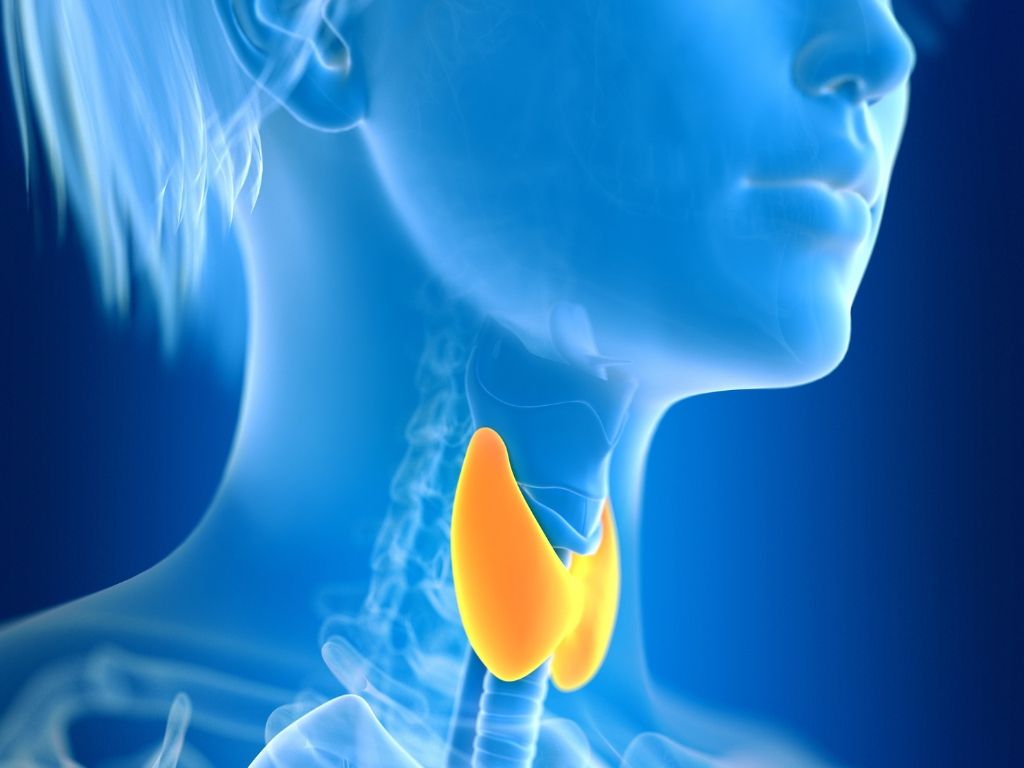
The thyroid gland sits at the base of the neck and plays a crucial role in regulating metabolism through hormone production. Sometimes, small nodules or cysts can form within the gland. A thyroid cyst is typically filled with fluid and may develop on its own or as part of a partially solid thyroid nodule.
Most thyroid cysts are benign and do not pose serious health risks. However, when a cyst becomes large, it may cause visible swelling in the neck or symptoms such as difficulty swallowing, a sensation of pressure, or mild discomfort. In such cases, treatment may be recommended to reduce the cyst's size and relieve symptoms.
What Is Thyroid Cyst Alcohol Injection Therapy?
Thyroid cyst alcohol injection therapy, also known as percutaneous ethanol injection, is a minimally invasive procedure used to treat fluid-filled thyroid cysts. During the procedure, a doctor inserts a thin needle into the cyst under ultrasound guidance. The fluid inside the cyst is first drained, and then a small amount of medical-grade alcohol is injected into the cavity.
The alcohol works by irritating the inner lining of the cyst, causing it to collapse and scar. This process helps prevent the cyst from filling with fluid again. Over time, the cyst shrinks and may eventually disappear.
This technique has become a widely used treatment option for benign thyroid cysts because it can be performed without general anesthesia and usually takes only a short time to complete.
Advantages of Thyroid Cyst Alcohol Injection Therapy
Many patients and healthcare providers prefer this therapy because of its minimally invasive nature and high success rate. Several key advantages make it an appealing option.
Minimally Invasive Procedure
One of the biggest benefits of thyroid cyst alcohol injection therapy is that it does not require surgery. Traditional thyroid surgery involves incisions, hospitalization, and a longer recovery period. In contrast, alcohol injection therapy is performed using a needle, which means there is no surgical wound and minimal trauma to surrounding tissues.
Because the procedure is simple and targeted, most patients can return to their normal daily activities soon after treatment.
Effective for Fluid-Filled Cysts
This therapy is particularly effective for cysts that are mostly or completely filled with fluid. In many cases, patients experience a significant reduction in cyst size after one or two treatment sessions.
Studies have shown that the success rate of treating a thyroid cyst alcohol injection can be quite high, with many patients experiencing long-term relief from symptoms and reduced cyst recurrence.
Quick Recovery Time
Another advantage of this procedure is the quick recovery time. Since the treatment does not involve major surgery, patients typically do not require a hospital stay. The procedure is usually performed in an outpatient setting and takes less than an hour.
Most patients experience only mild discomfort and can resume normal activities within a day or two.
Lower Risk Compared to Surgery
Surgical removal of thyroid nodules or cysts carries certain risks, including bleeding, infection, and potential injury to the vocal cords or parathyroid glands. Minimally invasive treatments such as thyroid cyst alcohol injection therapy generally have fewer complications.
Because the treatment is guided by ultrasound, doctors can precisely target the cyst while avoiding nearby structures.
Cost-Effective Treatment Option
In many cases, alcohol injection therapy is more affordable than surgical treatment. Since it is performed as an outpatient procedure and does not require general anesthesia or hospital admission, the overall cost can be significantly lower.
For patients seeking effective treatment without the expenses associated with surgery, this option may be particularly appealing.
Potential Drawbacks of Thyroid Cyst Alcohol Injection Therapy
While the benefits are significant, it is important to understand that this therapy may not be suitable for everyone. There are some limitations and potential disadvantages that patients should consider.
Temporary Pain or Discomfort
Some patients may experience mild pain, burning, or discomfort during or shortly after the injection. This sensation occurs because the alcohol irritates the cyst lining to trigger shrinkage.
In most cases, the discomfort is temporary and resolves within a short time. However, some individuals may find the sensation unpleasant.
Risk of Alcohol Leakage
Although rare, alcohol may occasionally leak outside the cyst during the injection. If this occurs, it can irritate nearby tissues and cause temporary swelling or discomfort in the neck area.
Experienced medical professionals minimize this risk by carefully monitoring the procedure with ultrasound guidance.
Not Suitable for Solid Nodules
This therapy works best for cysts that are primarily filled with fluid. If a thyroid nodule contains a large solid component, alcohol injection may not be effective. In such cases, other treatments such as thermal ablation or surgery may be recommended.
Therefore, proper evaluation with ultrasound imaging is essential before deciding on treatment.
Possibility of Multiple Treatments
While many patients experience significant improvement after one session, some cysts may require more than one treatment to achieve optimal results. If the cyst partially refills with fluid, an additional injection may be necessary.
Although repeat treatments are generally simple, they can require additional visits to the clinic.
Limited Effectiveness for Certain Cases
In some situations, thyroid cyst alcohol therapy may not completely eliminate the cyst. Factors such as cyst size, internal structure, and patient-specific anatomy can influence treatment success.
For very large or complex cysts, doctors may recommend alternative treatments to achieve better results.
Who Is a Good Candidate for This Therapy?
Patients with benign, fluid-filled thyroid cysts are typically good candidates for alcohol injection therapy. Before recommending the procedure, doctors usually perform diagnostic tests such as ultrasound and fine needle aspiration to confirm that the cyst is non-cancerous.
This therapy is often recommended for individuals who experience symptoms such as neck swelling, discomfort, or cosmetic concerns caused by the cyst. It can also be suitable for patients who prefer a non-surgical approach.
However, each case is unique, and a thorough medical evaluation is necessary to determine the most appropriate treatment plan.
Comparing Alcohol Injection Therapy With Other Treatments
There are several treatment options available for managing thyroid cysts. Observation may be recommended for small cysts that do not cause symptoms. In some cases, simple fluid aspiration may temporarily reduce cyst size, but the cyst may refill over time.
Surgical removal is another option, particularly for large or suspicious nodules. However, surgery involves more risks and recovery time.
Compared with these approaches, thyroid cyst alcohol injection therapy offers a middle ground. It is more effective than simple drainage and less invasive than surgery, making it a preferred option for many patients.
What to Expect During the Procedure
Patients undergoing alcohol injection therapy usually receive local anesthesia to minimize discomfort. Using ultrasound guidance, the physician inserts a thin needle into the cyst and drains the fluid. Afterward, a small amount of alcohol is injected into the cavity.
The alcohol remains inside the cyst for a short period to destroy the cyst lining before being partially removed. The entire procedure generally takes less than thirty minutes.
After the treatment, patients are monitored briefly and can typically go home the same day.
Recovery and Follow-Up Care
Recovery from this procedure is usually straightforward. Patients may notice mild swelling or tenderness in the treated area, but these symptoms typically resolve quickly.
Doctors often schedule follow-up ultrasound examinations to monitor the cyst and confirm that it is shrinking as expected. In most cases, patients experience significant improvement within a few weeks to months.
Maintaining regular medical checkups ensures that any recurrence or changes in the thyroid gland are detected early.
Conclusion
Thyroid cyst alcohol injection therapy is an effective and minimally invasive option for treating benign fluid-filled thyroid cysts. By injecting alcohol directly into the cyst, doctors can collapse the cyst lining and prevent it from refilling with fluid. The procedure offers several advantages, including quick recovery, lower cost, and reduced risks compared to surgery.
However, it is important to recognize that this treatment also has limitations. Temporary discomfort, the possibility of multiple sessions, and reduced effectiveness for solid nodules are factors that should be considered.
Patients experiencing symptoms from thyroid cysts should consult a qualified medical professional to determine the most appropriate treatment. With proper evaluation and care, therapies such as thyroid cyst alcohol injection can provide lasting relief and help patients maintain better thyroid health.