
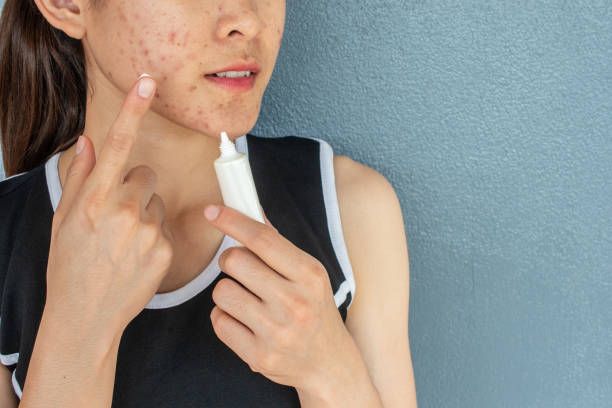
Acne is one of the most common skin concerns affecting people of all ages. While often associated with adolescence, active acne can persist well into adulthood, causing both physical discomfort and emotional stress. Understanding what active acne is, the factors that contribute to it, and the most effective treatment options is essential for anyone seeking clearer, healthier skin.
What is Active Acne?
Active acne refers to persistent, inflamed pimples, blackheads, whiteheads, and sometimes cysts that appear on the skin. Unlike occasional breakouts, active acne occurs regularly and may affect the face, back, chest, and shoulders. It develops when hair follicles become clogged with excess oil, dead skin cells, and bacteria.
Different types of acne lesions can appear, including:
- Whiteheads – Small, closed bumps caused by blocked pores.
- Blackheads – Open pores filled with trapped debris that turns dark due to oxidation.
- Papules – Inflamed red bumps that may be tender to touch.
- Pustules – Pimples filled with pus, often red at the base.
- Nodules and cysts – Deep, painful lumps under the skin that can lead to scarring if untreated.
Identifying the type of active acne is the first step in selecting the most effective treatment.
Causes of Active Acne
Active acne is caused by a combination of factors, each contributing to inflammation, excess oil production, and bacterial growth:
- Hormonal Changes
Fluctuations in hormones, especially androgens, can stimulate sebaceous glands to produce more oil. This is common during puberty, menstruation, pregnancy, and menopause. - Genetics
If your family has a history of acne, you are more likely to experience active acne. - Bacteria
Propionibacterium acnes (P. acnes) is naturally present on the skin, but when trapped in clogged pores, it can trigger inflammation and worsen acne. - Diet and Lifestyle
High-glycemic foods, dairy, stress, and insufficient sleep may exacerbate acne. While diet alone isn’t the sole cause, it can affect severity. - Environmental Factors
Pollution, humidity, and contact with greasy substances can block pores and contribute to active acne.
Recognizing the Severity of Acne
Before pursuing treatment, it’s important to understand the severity of your acne. Mild acne may only need topical care, while moderate or severe acne could benefit from medical interventions. Dermatologists often categorize acne as:
- Mild – Few pimples and blackheads, minimal inflammation.
- Moderate – Widespread pimples, some inflammation, occasional cysts.
- Severe – Numerous inflamed nodules or cysts, high risk of scarring.
Knowing your acne severity helps determine the best treatment approach, whether through professional acne treatment UK clinics or online acne treatment programs.
Effective Treatments for Active Acne
Active acne is treatable, and several options can address different severity levels. Combining professional care with proper skincare can lead to fast, lasting results.
1. Topical Treatments
Topical treatments are often the first line of defense for mild to moderate acne. Common options include:
- Benzoyl Peroxide – Kills bacteria and reduces inflammation.
- Salicylic Acid – Exfoliates the skin and unclogs pores.
- Retinoids – Promote cell turnover and prevent clogged pores.
- Antibiotic creams – Reduce bacterial growth and redness.
These treatments are especially effective when used consistently as part of a daily routine.
2. Oral Medications
Moderate to severe acne often requires oral medications prescribed by a dermatologist:
- Antibiotics – Target bacteria and reduce inflammation.
- Hormonal therapies – Birth control pills or anti-androgen medications help balance hormones in women.
- Isotretinoin – Reserved for severe or cystic acne that does not respond to other treatments.
3. Professional Acne Treatments
Clinics offering acne treatment UK solutions provide advanced procedures for faster results:
- Chemical Peels – Remove dead skin layers, prevent clogged pores, and improve skin texture.
- Laser and Light Therapy – Target bacteria, reduce oil production, and calm inflammation.
- Extraction – Performed by professionals to safely remove blackheads and whiteheads without scarring.
- Microneedling – Helps reduce post-acne scars by stimulating collagen production.
Popular clinics in acne Leeds, acne Liverpool, acne Sheffield, acne treatment Bristol, and acne treatment Glasgow combine these methods to offer personalised care, often delivering acne treatment fast results.
4. Online Acne Treatment
With the growth of telemedicine, online acne treatment has become an accessible option for people unable to visit clinics. Through virtual consultations, dermatologists assess your skin and recommend personalised treatment plans. Many online services also provide Pessonalised SkinCare Treatments In UK tailored to your specific acne type and skin needs. This approach is especially useful for individuals seeking convenience without compromising on professional care.
5. Integrating Skincare and Lifestyle
Alongside professional treatments, maintaining a proper skincare routine and healthy lifestyle enhances treatment effectiveness:
- Cleanse your face twice daily with gentle, non-comedogenic cleansers.
- Avoid harsh scrubbing or picking at acne, which worsens inflammation.
- Use lightweight, oil-free moisturisers to keep skin hydrated.
- Manage stress through meditation, exercise, or relaxation techniques.
- Maintain a balanced diet rich in fruits, vegetables, and whole grains.
Combining these habits with professional SkinCare Treatments and access to UK's Top Skincare Treatment providers can improve outcomes and maintain clear skin long-term.
The Importance of Early Intervention
Treating active acne promptly is essential to prevent scarring and pigmentation. Early intervention helps control breakouts and reduces long-term skin damage. Clinics offering acne treatment fast results ensure timely management using a combination of topical, oral, and procedural methods.
For residents seeking professional care, options in acne Leeds, acne Liverpool, acne Sheffield, acne treatment Bristol, and acne treatment Glasgow provide expert solutions tailored to individual needs. Similarly, online platforms offer access to qualified dermatologists and Personalised SkinCare Treatments In UK, even for those in remote areas.
Addressing Scars and Post-Acne Marks
Even with effective treatment, active acne can leave scars or dark spots. Advanced treatments help reduce these marks:
- Microneedling – Stimulates collagen and improves skin texture.
- Laser Resurfacing – Targets acne scars and promotes skin renewal.
- Chemical Peels – Fades pigmentation and smooths skin tone.
Professional guidance ensures these procedures are safe, particularly when combined with ongoing acne care.
How to Choose the Right Acne Treatment
Selecting the right clinic or online program is key to achieving clear skin. Consider:
- Expertise – Ensure dermatologists are certified and experienced.
- Range of Treatments – Clinics should offer topical, oral, and procedural options.
- Patient Reviews – Testimonials and before-and-after photos indicate effectiveness.
- Accessibility – Well-established clinics in acne Leeds, acne Liverpool, acne Sheffield, acne treatment Bristol, and acne treatment Glasgow provide convenient care options.
Many people also combine in-clinic treatments with Online Acne Treatment to maintain consistency and monitor progress, ensuring acne treatment fast results.
Frequently Asked Questions
Q: Can acne be completely cured?
A: Acne may not have a permanent cure, but effective management can control breakouts and prevent future flare-ups. Many patients achieve long-term clear skin with the right treatments.
Q: How soon will treatments work?
A: Topical treatments may show improvement in 4–6 weeks, while advanced procedures or combined therapy can deliver faster results.
Q: Is online acne treatment safe?
A: Yes, when conducted by qualified dermatologists. Virtual consultations provide personalised care, including prescription medications and skincare recommendations.
Q: Does diet affect acne?
A: Diet can influence acne severity in some people. Reducing high-glycemic foods and dairy while eating nutrient-rich foods may support skin health, but it is not a standalone solution.
Final Thoughts
Active acne can be challenging, both physically and emotionally. However, with the right understanding and a combination of treatments, clear and healthy skin is achievable. Using a combination of professional acne treatment, online acne treatment, and Pessonalised SkinCare Treatments In UK, patients can address both active breakouts and post-acne scars.
Whether you are searching for acne Leeds, acne Liverpool, acne Sheffield, acne treatment Bristol, or acne treatment Glasgow, there are reputable clinics offering tailored care to suit every skin type and severity. Early intervention is critical, helping prevent scarring and achieving acne treatment fast results.
Investing in professional care, maintaining a healthy skincare routine, and seeking personalised guidance from the UK’s top dermatologists ensures that active acne is not only manageable but can be effectively controlled for long-term results.
With consistent treatment and care, clearer, smoother skin is within reach, empowering you to feel confident in your appearance while minimizing the risk of future breakouts.