
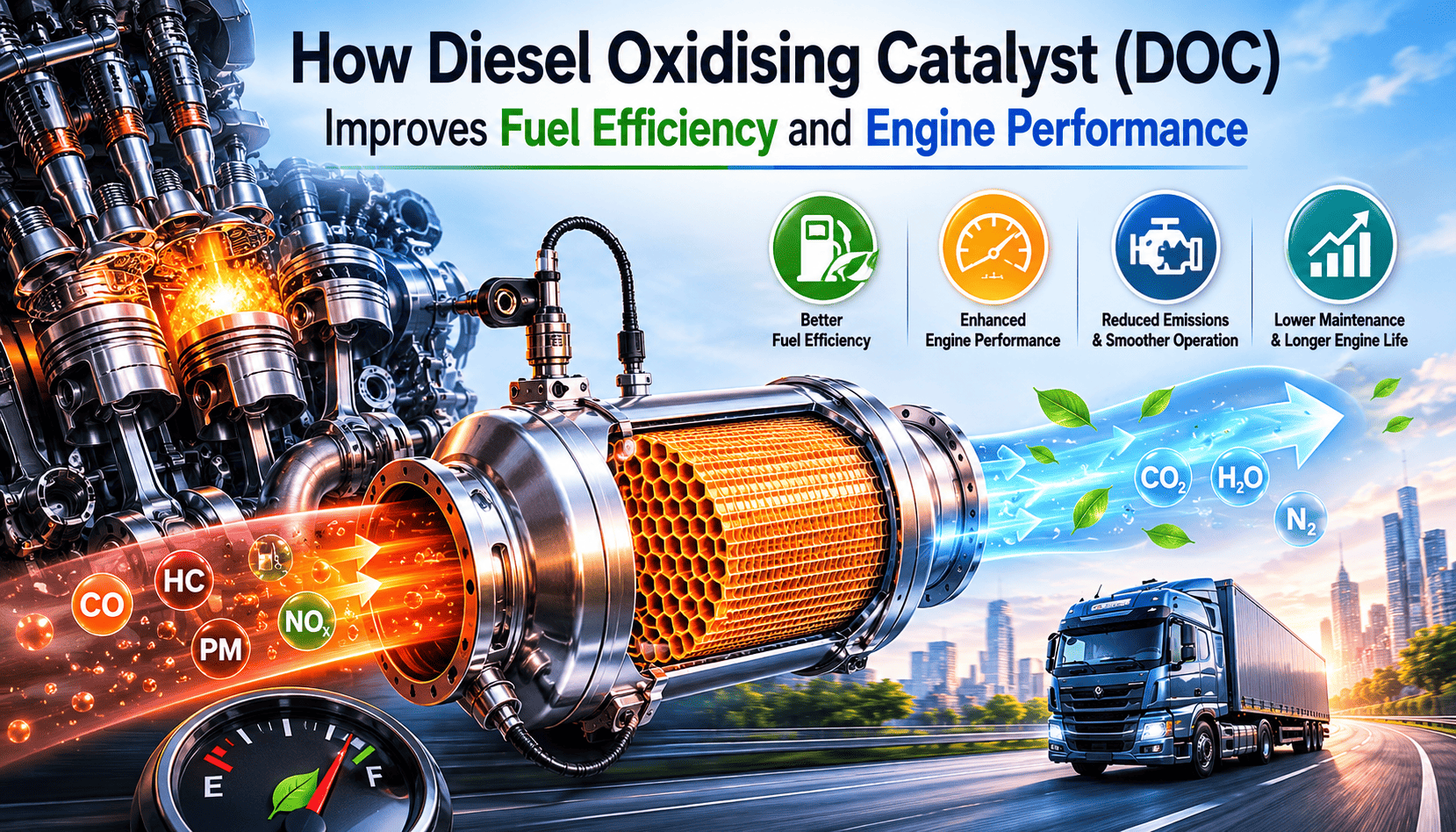
Diesel engines are widely used in trucks, buses, construction equipment, generators, and many industrial machines because they are powerful and fuel-efficient. However, diesel engines also produce harmful gases and particles that can affect air quality and engine performance over time. To solve this problem, modern diesel systems use advanced exhaust technologies, and one of the most important parts is the Diesel Oxidising Catalyst (DOC).
A Diesel Oxidising Catalyst (DOC) is designed to clean harmful gases from diesel exhaust before they are released into the air. It helps improve engine efficiency, supports smoother performance, and reduces pollution. Many vehicle owners and industries now depend on DOC systems to keep engines running properly while meeting environmental standards.
Besides reducing emissions, the Diesel Oxidising Catalyst (DOC) also helps maintain better fuel economy and cleaner engine operation. When the exhaust system works efficiently, the engine does not need to work as hard, which can improve mileage and reduce maintenance problems.
In this blog, you will learn how a Diesel Oxidising Catalyst (DOC) works, how it improves fuel efficiency and engine performance, and why it is an important part of modern diesel engines.
What Is a Diesel Oxidising Catalyst (DOC)?
A Diesel Oxidising Catalyst (DOC) is a device fitted inside the exhaust system of a diesel engine. Its main job is to reduce harmful gases created during fuel combustion.
The DOC contains a ceramic or metal honeycomb structure coated with catalyst materials. When hot exhaust gases pass through it, chemical reactions take place that convert dangerous pollutants into safer gases.
The system mainly reduces:
- Carbon monoxide
- Unburned hydrocarbons
- Some soot-related emissions
This process helps create cleaner exhaust and supports better engine operation.
How a Diesel Oxidising Catalyst (DOC) Works
The working process of a Diesel Oxidising Catalyst (DOC) is simple but very effective. As diesel exhaust moves through the catalyst chamber, the catalyst coating reacts with harmful gases.
These reactions convert pollutants into less harmful substances like carbon dioxide and water vapor. The DOC becomes more effective when the exhaust reaches the correct operating temperature.
The system works continuously while the engine is running, helping reduce harmful emissions without affecting normal engine operation.
Pollutants Reduced by DOC
The table below explains the common pollutants reduced by a Diesel Oxidising Catalyst (DOC) and their effects.
How Diesel Oxidising Catalyst (DOC) Improves Fuel Efficiency
Fuel efficiency is important for both vehicle owners and businesses because it directly affects running costs. A properly working Diesel Oxidising Catalyst (DOC) can help improve fuel economy in several ways.
Better Exhaust Flow
When the exhaust system stays clean, gases move more freely through the engine and exhaust pipes. This reduces pressure inside the system and helps the engine work more efficiently.
If exhaust flow becomes blocked by soot or residue, the engine has to use more fuel to maintain performance. The DOC helps reduce these deposits and supports smoother exhaust movement.
Cleaner Combustion Process
A cleaner exhaust system often supports better combustion inside the engine. When fuel burns more completely, less diesel is wasted.
This means the engine can produce the same amount of power while using fuel more effectively.
Reduced Engine Load
When exhaust gases leave the engine smoothly, internal engine stress is reduced. Lower engine strain helps improve fuel economy during daily operation.
This is especially helpful for heavy-duty diesel vehicles that operate for long hours.
Improved Support for Emission Systems
In many diesel engines, the Diesel Oxidising Catalyst (DOC) works together with other exhaust components. When the DOC functions properly, the entire emission system operates more efficiently.
This helps maintain proper engine balance and supports consistent fuel usage.
How Diesel Oxidising Catalyst (DOC) Improves Engine Performance
The Diesel Oxidising Catalyst (DOC) also plays a major role in improving overall engine performance.
Faster Engine Response
A clean exhaust system allows the engine to respond more quickly when accelerating. Reduced blockage inside the exhaust helps improve airflow and engine balance.
Drivers often notice smoother acceleration and better throttle response.
Stable Power Delivery
When soot and harmful deposits are controlled, the engine can maintain steady power output. This is important for vehicles carrying heavy loads or operating in difficult conditions.
The DOC helps keep exhaust flow stable, which supports consistent engine performance.
Better Turbocharger Efficiency
Many diesel engines use turbochargers to increase power. Turbochargers depend on proper exhaust flow to work efficiently.
A clean exhaust system supported by a Diesel Oxidising Catalyst (DOC) helps the turbocharger operate more smoothly and reduces the risk of soot buildup.
Lower Engine Wear
Reduced exhaust pressure means engine components experience less stress during operation. This can help improve engine life and reduce maintenance costs over time.
Environmental Benefits of Diesel Oxidising Catalyst (DOC)
One of the biggest advantages of a Diesel Oxidising Catalyst (DOC) is its ability to reduce harmful emissions.
Cleaner exhaust gases help improve air quality and reduce pollution from diesel engines. This is especially important in cities and industrial areas where diesel-powered equipment is commonly used.
The DOC also helps lower visible black smoke, which is often caused by incomplete fuel combustion.
As governments continue to introduce stricter emission rules, the Diesel Oxidising Catalyst (DOC) helps diesel engines meet environmental standards while still maintaining strong performance.
Common Signs of DOC Problems
Like any engine component, a Diesel Oxidising Catalyst (DOC) can develop problems over time. Recognizing early warning signs can help prevent bigger issues.
Signs That May Indicate DOC Issues
- Reduced fuel efficiency
- Excessive exhaust smoke
- Loss of engine power
- Slow acceleration
- Warning lights on the dashboard
- Strong exhaust smell
If these problems are ignored, the exhaust system may become more restricted, affecting both engine performance and fuel economy.
Maintenance Tips for Diesel Oxidising Catalyst (DOC)
Proper maintenance is important for keeping the Diesel Oxidising Catalyst (DOC) working efficiently for a long time.
Simple Maintenance Practices
- Use clean and good-quality diesel fuel
- Follow regular engine service schedules
- Check the exhaust system regularly
- Avoid long periods of unnecessary idling
- Repair engine issues quickly
- Keep fuel injectors and air filters clean
Good maintenance helps reduce soot buildup and improves the life of the DOC system.
DOC and Diesel Particulate Filter (DPF)
In many modern diesel engines, the Diesel Oxidising Catalyst (DOC) works together with a Diesel Particulate Filter (DPF).
The DOC mainly handles harmful gases, while the DPF traps soot particles from the exhaust.
The DOC also helps increase exhaust temperature, which supports the cleaning process inside the DPF. Together, these systems improve emission control and help the engine run more efficiently.
Industries That Use Diesel Oxidising Catalyst (DOC)
The Diesel Oxidising Catalyst (DOC) is widely used across different industries because diesel engines are common in heavy-duty operations.
Transportation Industry
Trucks, buses, and delivery vehicles use DOC systems to improve fuel efficiency and reduce emissions during long-distance travel.
Construction Industry
Construction machines operate in dusty and demanding environments. The DOC helps maintain cleaner exhaust flow and better engine reliability.
Agriculture Sector
Farming equipment such as tractors and harvesters depend on efficient diesel engines. DOC systems help reduce fuel waste and support smoother operation.
Industrial Equipment
Generators and industrial machines often run for extended periods. Cleaner exhaust systems help improve performance and reduce environmental impact.
Why Regular Inspection Matters
Regular inspection of the Diesel Oxidising Catalyst (DOC) can help avoid costly repairs and unexpected breakdowns.
A damaged or blocked DOC can increase exhaust restriction, reduce engine power, and lower fuel efficiency. Early inspection allows problems to be identified before they become serious.
Routine maintenance also helps extend the life of other engine components connected to the exhaust system.
Future of Diesel Oxidising Catalyst (DOC) Technology
Diesel technology continues to improve as industries look for cleaner and more efficient engine systems. Modern Diesel Oxidising Catalyst (DOC) designs are becoming more durable and effective at reducing emissions.
Improved catalyst materials and better exhaust monitoring systems are helping diesel engines achieve higher performance with lower environmental impact.
Even as alternative fuel technologies grow, diesel engines will continue to play an important role in transportation and heavy industries for many years.
Conclusion
The Diesel Oxidising Catalyst (DOC) is an important part of modern diesel engines. It helps reduce harmful emissions, improve fuel efficiency, and support better engine performance.
By cleaning exhaust gases and reducing soot buildup, the DOC allows the engine to run more smoothly and efficiently. This leads to improved fuel economy, better throttle response, and reduced engine stress.
Regular maintenance and proper engine care are important for keeping the Diesel Oxidising Catalyst (DOC) working effectively. A well-maintained DOC system not only improves performance but also helps extend engine life and reduce environmental impact.
For industries and vehicle owners that rely on diesel engines every day, the Diesel Oxidising Catalyst (DOC) remains a valuable solution for cleaner, more efficient, and more reliable engine operation.
FAQs
1. What does a Diesel Oxidising Catalyst (DOC) do?
A Diesel Oxidising Catalyst (DOC) reduces harmful gases produced by diesel engines. It converts pollutants like carbon monoxide and hydrocarbons into safer gases before they leave the exhaust system, helping improve air quality and overall engine efficiency.
2. Can a DOC improve diesel fuel efficiency?
Yes, a properly working DOC can help improve fuel efficiency by supporting cleaner exhaust flow and better combustion. When the engine works more smoothly with less exhaust restriction, fuel consumption can become more efficient during operation.
3. What are the signs of a blocked Diesel Oxidising Catalyst (DOC)?
Common signs include reduced engine power, poor fuel economy, increased exhaust smoke, slow acceleration, and warning lights. These issues happen because blocked exhaust flow forces the engine to work harder than normal during operation.
4. How long does a Diesel Oxidising Catalyst (DOC) last?
The lifespan of a Diesel Oxidising Catalyst (DOC) depends on engine condition, fuel quality, and maintenance practices. With proper care and regular servicing, a DOC can operate efficiently for many years without major performance issues.
5. Why is regular DOC maintenance important?
Regular maintenance helps prevent soot buildup, exhaust blockage, and performance loss. Keeping the DOC clean and the engine properly serviced improves fuel efficiency, supports smoother engine operation, and helps avoid expensive repairs in the future.