
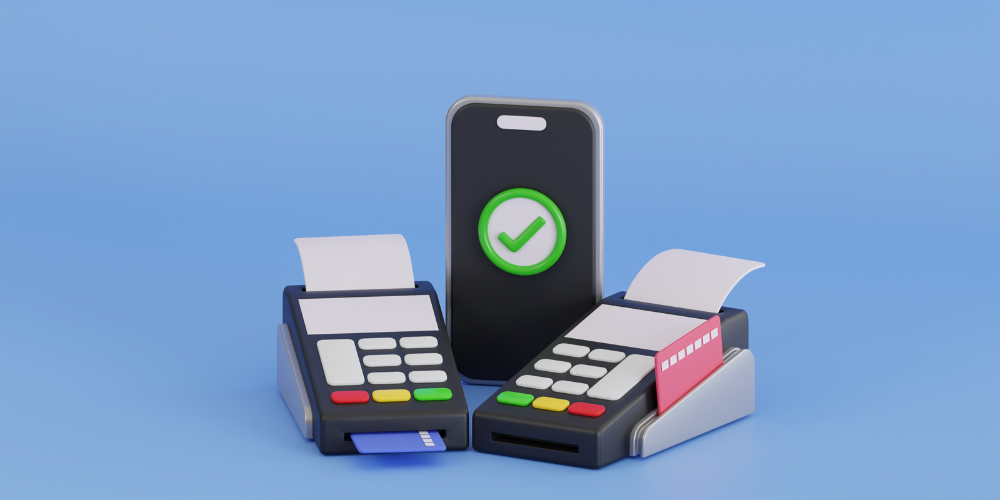
In today’s fast-paced world, people are always looking for convenience. Everyone wants quick and easy ways to buy things without wasting time. This expectation is especially true when it comes to vending machines. Traditionally, vending machines have only accepted coins or bills, but this is slowly changing. More and more people prefer using debit or credit cards, or even their smartphones, to make payments. If a vending machine only takes cash, it can limit who will use it and how often.
Adding a card reader to a vending machine is a smart way to meet these new expectations. Not only does it make purchases faster and easier for customers, but it can also increase sales. People are more likely to buy snacks, drinks, or other items if they can pay with a card instead of worrying about exact change. By keeping up with modern payment methods, vending machine owners can attract more customers, increase the number of transactions, and boost overall revenue.
Attracting More Customers
One of the main benefits of installing a card reader is that it appeals to a wider range of customers. Many younger people, such as millennials and Gen Z, rarely carry cash and are used to using cards or mobile payments for everyday purchases. Business travelers and office workers also often have limited cash but carry cards for convenience. By offering card payments, vending machines can reach these groups, who might otherwise skip cash-only machines. In other words, a card reader helps you capture a larger audience and encourages more purchases.
Faster and Easier Transactions
Cash payments can slow down the buying process. Customers need to count coins or bills, wait for change, and sometimes even leave if they don’t have the right amount. With a card reader, this problem disappears. Contactless payments allow customers to tap their card or phone, making the transaction almost instant. Faster transactions not only improve the customer experience but also allow more people to use the machine in a shorter time, increasing sales.
Encouraging Higher-Value Purchases
When customers pay with cash, they often limit themselves to what they have on hand. This can result in smaller purchases. Card payments remove that limit. Customers can buy more expensive items or even multiple products in a single visit without worrying about running out of money. Studies show that people tend to spend more when using cards because it feels easier than handing over cash. This simple change can significantly boost the machine’s revenue over time.
Operational Benefits for Machine Owners
Card readers don’t just help customers—they make life easier for vending machine operators too. Cash-only machines need regular cash collection, which can be time-consuming and costly. There’s also a higher risk of theft or vandalism when handling cash. Digital payments reduce these risks and provide detailed sales reports, which help owners understand which products sell best. This data can guide decisions about stocking and machine placement, leading to more efficient operations and higher profits.
To see a practical example of this technology, you can check out this card reader on vending machine that can be added to existing machines. It shows how easy it is to modernize a machine and start accepting cashless payments.
Improving Customer Experience
Adding a card reader also makes vending machines look modern and reliable. Machines that accept multiple payment options seem professional and trustworthy. Customers are more likely to return to a machine that is easy to use and offers flexible payment options. In areas with multiple vending machines, having a card reader can be a deciding factor for customers, helping one machine stand out over others.
Keeping Up with Technology
With more people using smartphones, smartwatches, and contactless cards, cashless payments are becoming the norm. Vending machines that don’t offer this option may miss out on potential sales. Contactless payments are also more hygienic, which has become increasingly important in high-traffic locations like schools, offices, and transit hubs. This small improvement in convenience and safety can encourage repeat usage.
Opportunities for Promotions and Loyalty Programs
Another advantage of card readers is the ability to use digital payment data for promotions. Machine operators can track purchases, offer discounts, or set up reward programs for regular customers. For example, a user might get a free item after a certain number of card transactions. These programs encourage repeat business and can provide valuable insight into customer habits, which is much harder to do with cash-only machines.
The Return on Investment
Installing a card reader may require some upfront cost, but the long-term benefits usually outweigh it. Increased sales, reduced cash handling, and better customer satisfaction all contribute to a faster return on investment. As more people prefer cashless payments, having a card reader is not just a convenience—it’s essential for staying competitive and profitable in the vending machine business.
Conclusion
Installing a card reader on a vending machine is a simple but powerful way to boost sales. It attracts more customers, speeds up transactions, encourages larger purchases, and makes operations easier for machine owners. It also improves the customer experience and keeps machines competitive in a world that increasingly prefers cashless payments. By adapting to modern technology and offering flexible payment options, vending machine operators can ensure their machines remain profitable and appealing to a wide audience.